
Exploring the Benefits of Thermoplastic Elastomer Compounds in Modern Manufacturing
Release time:
2026-03-29 11:00
Source:
Exploring the Benefits of Thermoplastic Elastomer Compounds in Modern Manufacturing
Table of Contents
- 1. Introduction to Thermoplastic Elastomers
- 2. Unique Properties of Thermoplastic Elastomer Compounds
- 3. Applications of Thermoplastic Elastomers in Various Industries
- 4. Advantages of Using Thermoplastic Elastomer Compounds in Manufacturing
- 5. Sustainability and Environmental Benefits
- 6. Comparison with Other Polymer Materials
- 7. The Future of Thermoplastic Elastomers in Manufacturing
- 8. Frequently Asked Questions About Thermoplastic Elastomers
- 9. Conclusion
1. Introduction to Thermoplastic Elastomers
Thermoplastic elastomers (TPEs) have emerged as **revolutionary materials** in modern manufacturing. Combining the **elastic properties** of rubbers with the **processing advantages** of plastics, TPEs offer remarkable versatility that meets the diverse demands of various industries. Whether used in automotive components, medical devices, or consumer products, TPEs are redefining manufacturing standards and driving innovation.
In this article, we will explore the unique characteristics, applications, and multitude of benefits that thermoplastic elastomer compounds bring to the manufacturing process. By understanding these aspects, manufacturers can make informed decisions that enhance their product offerings and operational efficiency.
2. Unique Properties of Thermoplastic Elastomer Compounds
Thermoplastic elastomers possess a unique combination of properties that make them particularly suitable for a range of applications. Below are the defining characteristics:
2.1. Flexibility and Elasticity
TPEs exhibit **excellent flexibility and elasticity**, allowing products to maintain their shape and performance under various conditions. This elasticity is crucial for applications that require repeated stress and strain, such as seals and gaskets.
2.2. Processability
Unlike traditional elastomers, TPEs can be processed using standard thermoplastic methods. This means they can be easily molded, extruded, and fabricated, facilitating mass production and reducing manufacturing costs.
2.3. Chemical Resistance
Thermoplastic elastomers are known for their **resistance to oils, fuels, and many chemicals**, making them ideal for automotive and industrial applications where exposure to harsh substances is common.
2.4. Temperature Stability
With a wide operational temperature range, TPEs can maintain their properties in both high and low temperature environments. This stability makes them suitable for outdoor applications and extreme conditions.
3. Applications of Thermoplastic Elastomers in Various Industries
The versatility of thermoplastic elastomers allows them to be utilized across a broad spectrum of industries. Below are some key applications:
3.1. Automotive Industry
In automotive manufacturing, TPEs are used for **interior and exterior components** such as bumpers, gaskets, and seals. Their lightweight nature contributes to fuel efficiency while providing durability.
3.2. Medical Devices
TPEs are increasingly used in the medical field for products like catheters and surgical gloves due to their **biocompatibility** and ease of sterilization. This enhances patient safety and comfort.
3.3. Consumer Products
From kitchenware to toys, TPEs are found in numerous consumer products. Their flexibility and safety features make them ideal for items that require a soft touch and impact resistance.
3.4. Electronics
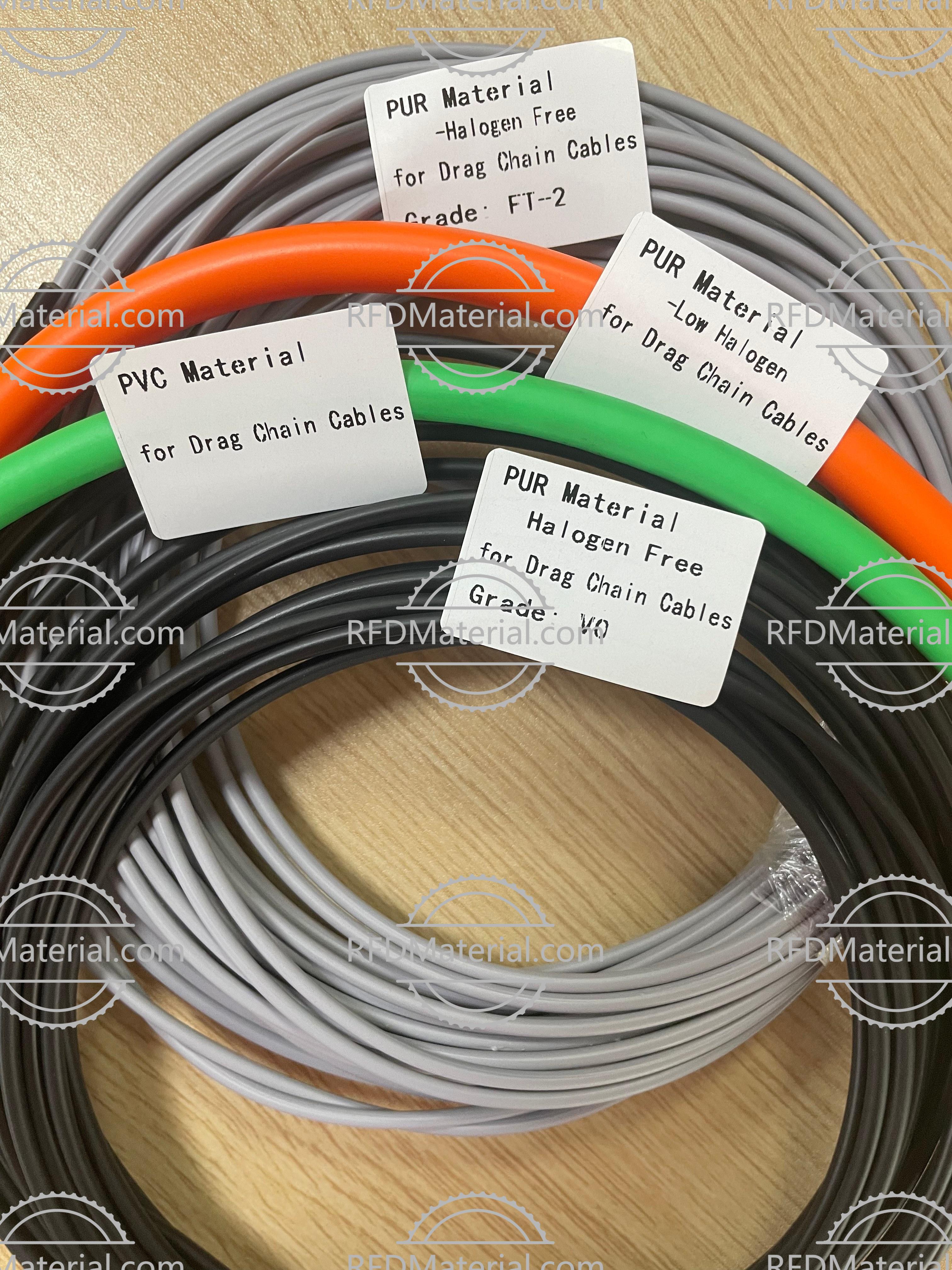
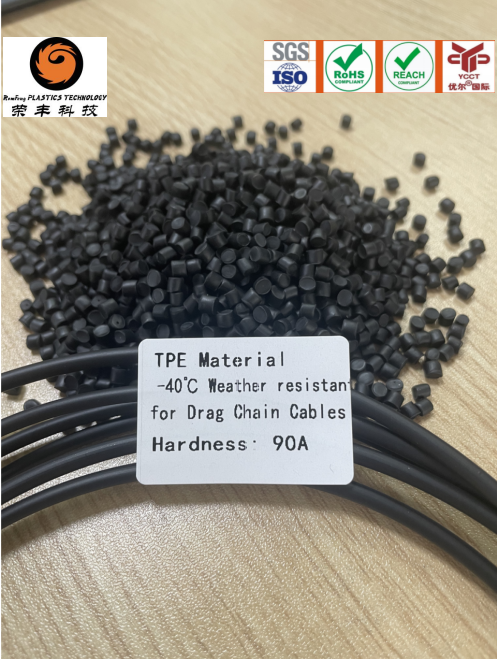
TPEs are employed in the production of **cables and connectors** for electronic devices, as they provide protection against abrasion and environmental factors, ensuring longevity.
4. Advantages of Using Thermoplastic Elastomer Compounds in Manufacturing
Employing thermoplastic elastomers in the manufacturing process comes with a multitude of advantages, including:
4.1. Cost-Effectiveness
The ability to process TPEs with standard equipment reduces overall production costs. Additionally, their durability lowers long-term replacement costs.
4.2. Design Flexibility
TPEs can be easily colored and blended with other materials, allowing for greater **design flexibility**. This adaptability enables manufacturers to create innovative and attractive products.
4.3. Lightweight Properties
TPEs contribute to reducing the weight of products, which is increasingly important in industries like automotive and aerospace, where every gram matters for efficiency.
4.4. Improved Performance
The combination of elasticity and strength in TPEs leads to improved performance in applications requiring repeated flexing or stretching, compared to traditional materials.
5. Sustainability and Environmental Benefits
With the growing emphasis on sustainability, thermoplastic elastomers provide several environmental benefits:
5.1. Recyclability
TPEs can be recycled, unlike many traditional thermoset elastomers. This reduces waste and promotes a circular economy in manufacturing.
5.2. Reduced Energy Consumption
The processing of TPEs often requires less energy compared to other materials, contributing to lower carbon emissions during production.
5.3. Sustainable Sourcing
Many TPE formulations incorporate renewable resources, aligning with the **global shift towards sustainability** in material sourcing.
6. Comparison with Other Polymer Materials
When comparing thermoplastic elastomers with other polymer materials, several distinctions emerge:
6.1. Thermosets vs. Thermoplastics
While thermosets offer strength and rigidity, they lack the flexibility and reprocessability of TPEs. TPEs provide a middle ground with their unique properties.
6.2. Impact on Performance
TPEs often outperform traditional plastics in terms of flexibility and durability, making them more suitable for demanding applications.
7. The Future of Thermoplastic Elastomers in Manufacturing
As technology advances, the future of thermoplastic elastomers looks promising:
7.1. Innovation in Formulations
Research and development are continuously improving TPE formulations, leading to enhanced properties and wider applications.
7.2. Integration of Smart Technologies
The integration of smart technologies into TPEs, such as sensors, could revolutionize industries by enabling products to respond to environmental changes.
7.3. Growing Market Demand
With increasing awareness of sustainability and performance, the demand for TPEs is expected to grow, leading to new market opportunities for manufacturers.
8. Frequently Asked Questions About Thermoplastic Elastomers
8.1. What are thermoplastic elastomers?
Thermoplastic elastomers (TPEs) are materials that combine the elastic properties of rubber with the processability of plastics, making them suitable for various applications.
8.2. How are TPEs different from traditional rubber?
Unlike traditional rubber, TPEs can be processed like plastics, allowing for easier manufacturing and recycling. They also offer better chemical resistance and flexibility.
8.3. Are thermoplastic elastomers recyclable?
Yes, thermoplastic elastomers can be recycled, which is a significant advantage over many traditional materials that are not recyclable.
8.4. What industries benefit most from TPEs?
Industries such as automotive, medical, consumer products, and electronics significantly benefit from the properties and versatility of TPEs.
8.5. Can TPEs be customized for specific applications?
Absolutely! TPEs can be formulated and customized to meet specific performance requirements, including hardness, color, and chemical resistance.
9. Conclusion
In conclusion, thermoplastic elastomer compounds are shaping the future of modern manufacturing. Their unique properties, coupled with their versatility and sustainability, position TPEs as a preferred choice across various industries. As manufacturers continue to explore innovative applications and formulations, the benefits of TPEs will only expand, making them essential for meeting the evolving demands of the marketplace. Embracing thermoplastic elastomers not only enhances product performance but also contributes to a more sustainable manufacturing ecosystem.
thermoplastic elastomer compounds


Address: No. 2-1, ShiZhong 3rd Road, Dashi, Panyu, Guangzhou, Guangdong, China



Online Message