Understanding the Advantages of Degradable Fiber Pellets in Contemporary Plastic Production
Release time:
2026-04-24 11:13
Source:
Understanding the Advantages of Degradable Fiber Pellets in Contemporary Plastic Production
In the ever-evolving landscape of the chemical and plastic industries, sustainability has emerged as a key focus. As environmental concerns gain traction, the quest for innovative materials that can replace traditional plastics without compromising performance has intensified. One such advancement is the development of degradable fiber pellets. These materials offer an array of benefits that not only enhance the functionality of plastics but also align with global efforts for a greener planet. This article will explore the advantages, applications, and future prospects of degradable fiber pellets in modern plastics.
What are Degradable Fiber Pellets?
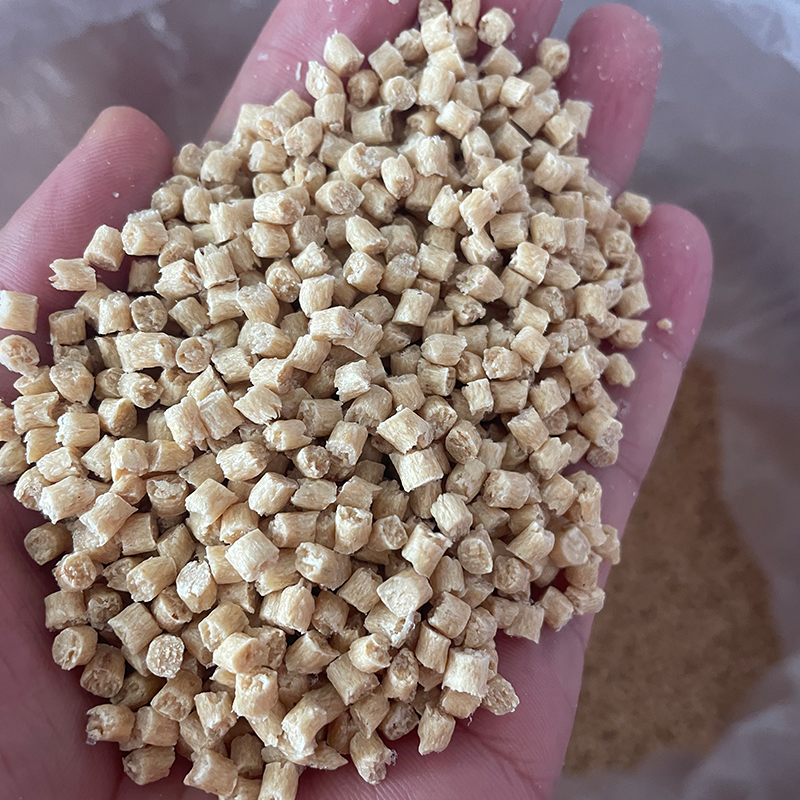
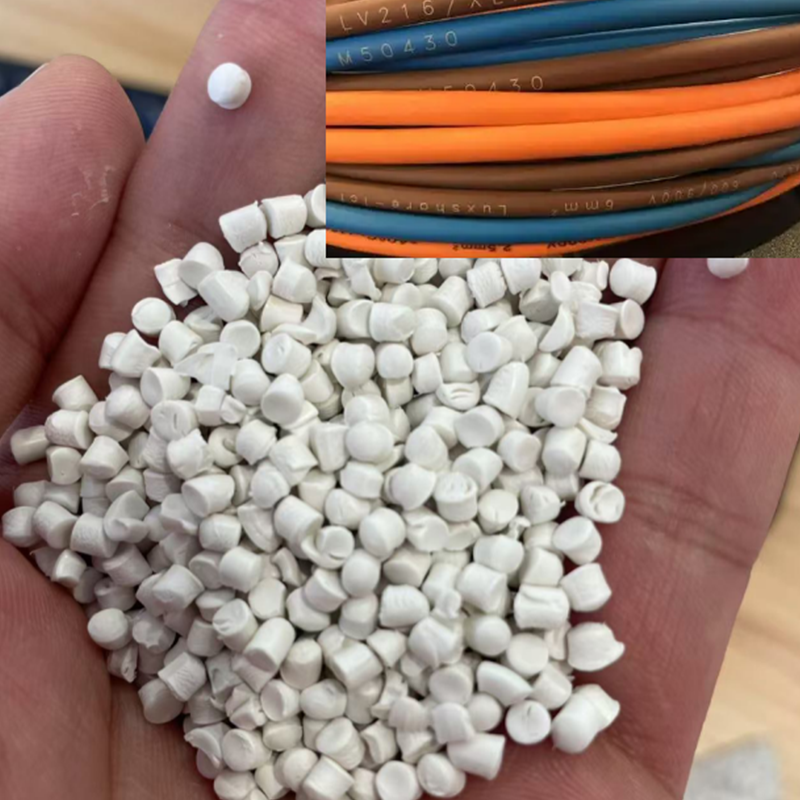
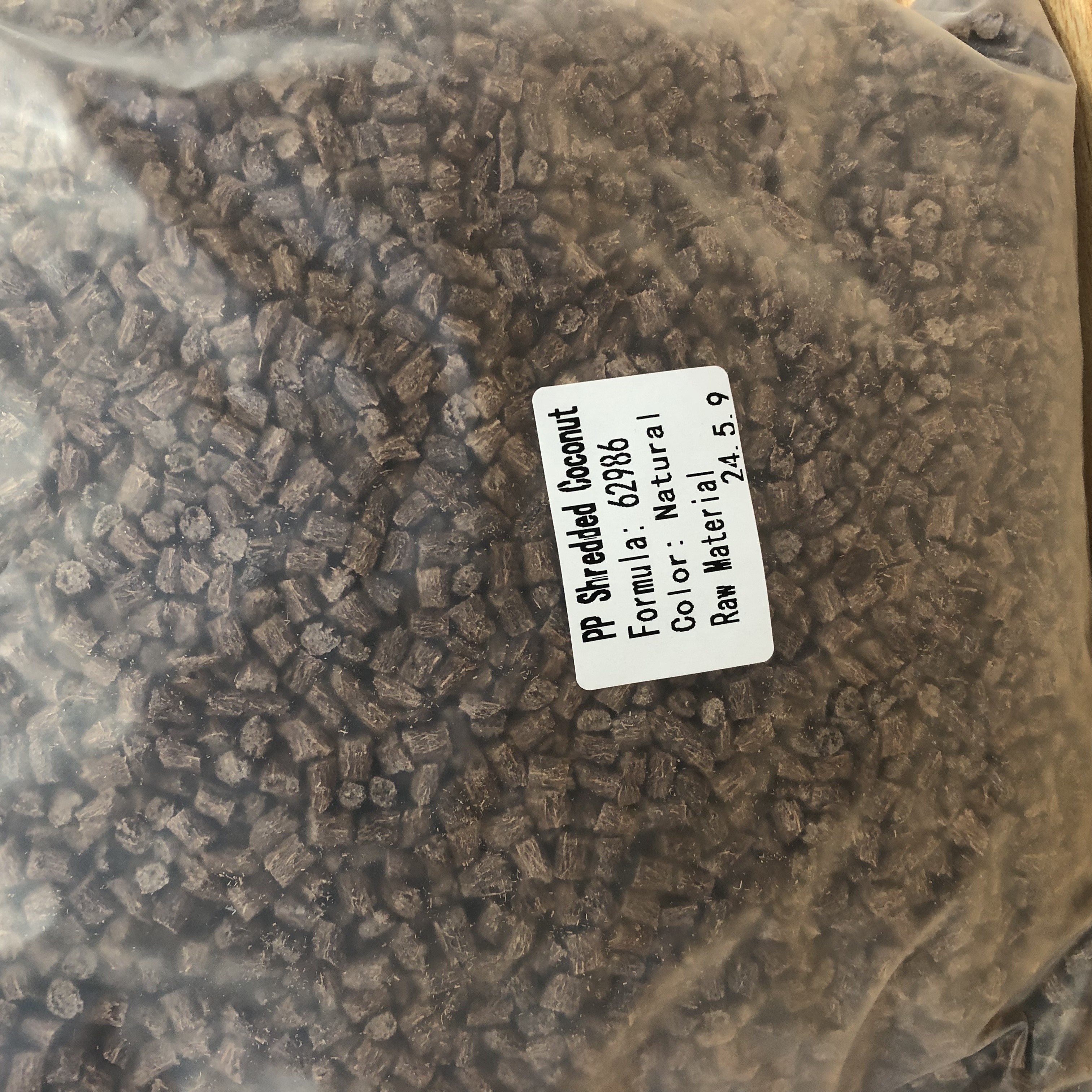
Degradable fiber pellets are small, cylindrical particles made from specific biodegradable materials. They are designed to break down under various environmental conditions, reducing the long-term impact of plastic waste. Unlike conventional plastics, which persist in the environment for hundreds of years, degradable fiber pellets can decompose into natural elements, thereby minimizing ecological damage.
The Composition of Degradable Fiber Pellets
These pellets are typically composed of natural polymers, such as starch, polylactic acid (PLA), and polyhydroxyalkanoates (PHA). By incorporating fiber reinforcement, these materials achieve greater strength and durability compared to standard biodegradable plastics. The unique blend of materials allows for enhanced mechanical properties, making them suitable for a variety of applications in multiple sectors.
Types of Degradable Fiber Pellets
- Starch-Based Pellets: Made primarily from renewable resources, these pellets offer a cost-effective solution for various applications.
- PLA Fiber Pellets: Derived from corn starch or sugarcane, PLA serves as a popular choice due to its excellent biodegradability and versatility.
- PHA Pellets: Produced by microbial fermentation, PHA is notable for its high biodegradability in marine environments, making it a leading candidate for ocean-friendly products.
Advantages of Degradable Fiber Pellets
The use of degradable fiber pellets presents numerous advantages, both for manufacturers and consumers. Below, we explore some of the most compelling benefits:
1. Environmental Sustainability
One of the primary advantages of degradable fiber pellets is their positive impact on the environment. Traditional plastic pollution is a pressing global issue, contributing to the degradation of ecosystems and wildlife. In contrast, degradable fiber pellets offer a sustainable alternative that can significantly reduce plastic waste.
2. Enhanced Performance Properties
Degradable fiber pellets are engineered to provide superior mechanical properties, such as tensile strength and impact resistance. The incorporation of fibers enhances the performance of the final plastic product, making them suitable for applications that require durability without sacrificing biodegradability.
3. Versatility in Applications
These pellets can be utilized in a variety of industries, including packaging, agriculture, and consumer goods. From biodegradable bags to agricultural films, degradable fiber pellets can cater to a wide range of consumer needs while promoting sustainability.
4. Compliance with Regulatory Standards
As environmental regulations become more stringent worldwide, the demand for sustainable materials is on the rise. Degradable fiber pellets offer a viable solution for manufacturers looking to comply with such regulations and cater to eco-conscious consumers.
5. Economic Viability
While the initial cost of degradable materials may be higher than traditional plastics, the long-term economic benefits are compelling. These include reduced waste management costs, lower environmental remediation expenses, and potential tax incentives for sustainable practices.
Applications of Degradable Fiber Pellets in Modern Plastics
Degradable fiber pellets are making waves in numerous applications across various sectors. Below, we explore some of the key areas where these materials are being employed:
1. Packaging Solutions
The packaging industry is one of the largest consumers of plastics. Degradable fiber pellets are being used to create environmentally friendly packaging solutions that maintain product integrity while minimizing environmental impact. From food containers to shopping bags, these materials are revolutionizing how we think about packaging.
2. Agricultural Products
In agriculture, degradable fiber pellets are being used to manufacture mulch films and plant pots. These products not only help to reduce plastic waste in the environment but also promote soil health by decomposing into organic matter.
3. Consumer Goods
From biodegradable cutlery to compostable plates, degradable fiber pellets are transforming everyday consumer products. Companies are increasingly adopting these materials to appeal to environmentally conscious consumers, enhancing brand loyalty and market share.
4. Automotive Applications
The automotive industry is also starting to incorporate degradable fiber pellets into parts and components. By utilizing sustainable materials, manufacturers can reduce their carbon footprint while maintaining high performance and safety standards.
How Degradable Fiber Pellets Contribute to a Circular Economy
Degradable fiber pellets play a crucial role in promoting a circular economy, which emphasizes sustainability by reducing waste and ensuring efficient resource use. This section explores how these pellets align with the principles of a circular economy:
1. Reducing Waste Generation
By replacing traditional plastics with biodegradable alternatives, degradable fiber pellets help reduce the amount of plastic waste that ends up in landfills and oceans. This shift not only conserves resources but also protects ecosystems.
2. Promoting Resource Recovery
As degradable fiber pellets break down into natural components, they can be integrated back into the earth’s ecosystems, enriching soil and promoting healthy plant growth. This process enhances the cycle of resources, ensuring that materials are continually repurposed.
3. Encouraging Sustainable Practices
The adoption of degradable fiber pellets encourages manufacturers and consumers to embrace sustainable practices. By prioritizing biodegradable options, businesses can drive innovation and lead by example in their respective industries.
Challenges and Considerations in Utilizing Degradable Fiber Pellets
While the benefits of degradable fiber pellets are significant, several challenges must be addressed to fully harness their potential:
1. Consumer Awareness
There is often confusion among consumers regarding biodegradable products. Educating the public on the correct disposal methods and benefits of degradable fiber pellets is essential for maximizing their positive impact.
2. Performance Limitations
In certain applications, degradable fiber pellets may not perform as well as traditional plastics in terms of durability and longevity. Continuous research and development are necessary to overcome these limitations and enhance their applicability.
3. Cost Factors
Despite the long-term economic benefits, the initial production costs of degradable fiber pellets can be higher than traditional plastics. This cost barrier may hinder widespread adoption among manufacturers.
Future Prospects for Degradable Fiber Pellets
The future of degradable fiber pellets in the plastic industry looks promising. As technology advances and consumer preferences shift toward sustainability, the demand for these innovative materials is expected to grow significantly.
1. Technological Innovations
Research and development in the field of biodegradable materials are rapidly progressing. New technologies and methods for producing degradable fiber pellets will enhance their performance and reduce costs, making them more competitive with traditional plastics.
2. Global Regulatory Support
As governments around the world implement stricter regulations on plastic waste, the demand for sustainable alternatives, including degradable fiber pellets, will likely surge. This regulatory push will drive innovation and investment in the sector, leading to a broader adoption of these materials.
3. Increased Consumer Demand
As consumers become more aware of environmental issues, their demand for sustainable products will continue to rise. This shift will encourage manufacturers to prioritize the use of degradable fiber pellets in their production processes.
FAQs about Degradable Fiber Pellets
1. What are the main materials used to create degradable fiber pellets?
Degradable fiber pellets are primarily made from renewable resources such as starch, PLA, and PHA, offering enhanced biodegradability and performance.
2. How do degradable fiber pellets contribute to environmental sustainability?
These pellets break down into natural components, reducing plastic waste in landfills and oceans while promoting soil health as they decompose.
3. Can degradable fiber pellets replace traditional plastics in all applications?
While they offer numerous advantages, degradable fiber pellets may not yet match the performance of traditional plastics in every application. Ongoing research aims to improve their effectiveness.
4. How can consumers dispose of products made from degradable fiber pellets?
Products made from degradable fiber pellets should be disposed of in composting facilities or environments that support biodegradation to maximize their eco-friendly benefits.
5. Are there any economic benefits to using degradable fiber pellets?
Yes, while initial production costs may be higher, long-term benefits include reduced waste management expenses, lower environmental remediation costs, and potential tax incentives for environmentally friendly practices.
Conclusion
Degradable fiber pellets represent a significant advancement in the pursuit of sustainable plastics. Their myriad advantages—ranging from environmental benefits to enhanced performance—position them as a viable alternative to traditional materials. As we move toward a more sustainable future, the role of degradable fiber pellets will only continue to expand, driving innovation and responsible practices in the plastic industry. By embracing these materials, manufacturers and consumers alike can contribute to a greener planet, making a tangible difference in the fight against plastic pollution.
Degradable fiber pellets


Address: No. 2-1, ShiZhong 3rd Road, Dashi, Panyu, Guangzhou, Guangdong, China



Online Message