How PVC Revolutionizes the Phonorecord Industry: A Comprehensive Exploration
Release time:
2026-05-25 17:40
Source:
How PVC Revolutionizes the Phonorecord Industry
Table of Contents
- 1. Introduction to PVC in the Phonorecord Industry
- 2. A Brief History of Phonorecords and Materials Used
- 3. Unique Properties of PVC That Make It Ideal for Phonorecords
- 4. Advantages of PVC Over Traditional Materials
- 5. The Production Process of PVC Phonorecords
- 6. Sustainability in PVC Production and Usage
- 7. The Future of PVC in the Phonorecord Industry
- 8. FAQs About PVC and Phonorecords
- 9. Conclusion
1. Introduction to PVC in the Phonorecord Industry
The phonorecord industry has witnessed remarkable changes over the decades, largely due to advancements in materials technology. **Polyvinyl Chloride (PVC)** has emerged as a game-changer in this domain. Initially introduced in the mid-20th century, PVC has gained immense popularity in the production of phonorecords, powered by its exceptional properties and versatility.
This article aims to explore the profound impact of PVC on the phonorecord industry, examining its unique characteristics, benefits over traditional materials, and the bright future it holds.
2. A Brief History of Phonorecords and Materials Used
Phonorecords, also known as vinyl records, have a rich history dating back to the late 19th century. The first commercially successful phonorecords were made from **shellac**, a natural material derived from lac bugs. While shellac offered decent sound quality, it had significant limitations in terms of weight and durability.
In the 1940s, with the advent of **polymer technology**, the industry began to shift towards synthetic materials. The introduction of PVC revolutionized phonorecord production, paving the way for records that were lighter, more durable, and capable of producing richer sound quality.
3. Unique Properties of PVC That Make It Ideal for Phonorecords
PVC possesses several unique properties that make it particularly suitable for phonorecord production:
3.1 Durability
One of the standout features of PVC is its durability. Unlike traditional materials such as shellac, PVC is resistant to cracking and breaking. This resilience ensures that phonorecords can withstand handling and environmental factors without compromising sound quality.
3.2 Sound Quality
PVC offers superior sound reproduction capabilities. Its ability to mold into precise grooves allows for accurate sound waves, resulting in high fidelity audio output. This quality is paramount for audiophiles who demand the best sound experience.
3.3 Lightweight
Compared to earlier materials, PVC is significantly lighter. This characteristic not only makes transportation easier but also reduces shipping costs for manufacturers and consumers alike.
3.4 Versatility
PVC can be easily manipulated during production to achieve different textures, weights, and finishes. This versatility allows for a wide range of creative applications in the design and packaging of phonorecords.
4. Advantages of PVC Over Traditional Materials
The transition from traditional materials to PVC has brought several advantages to the phonorecord industry.
4.1 Cost-Effectiveness
PVC is generally more cost-effective than shellac and other traditional materials. Its lower production costs translate into more affordable phonorecords for consumers, broadening accessibility to music lovers.
4.2 Environmental Impact
While the environmental footprint of PVC production has been a concern, innovations in recycling and sustainable practices are mitigating these effects. Many manufacturers now utilize recycled PVC, contributing to a more sustainable phonorecord industry.
4.3 Improved Production Efficiency
The production process for PVC phonorecords is more efficient than that for traditional materials. The ability to create records at a faster rate without sacrificing quality helps meet the growing demand for vinyl records in today’s market.
5. The Production Process of PVC Phonorecords
Understanding the production process of PVC phonorecords offers insight into how this material enhances quality.
5.1 Material Preparation
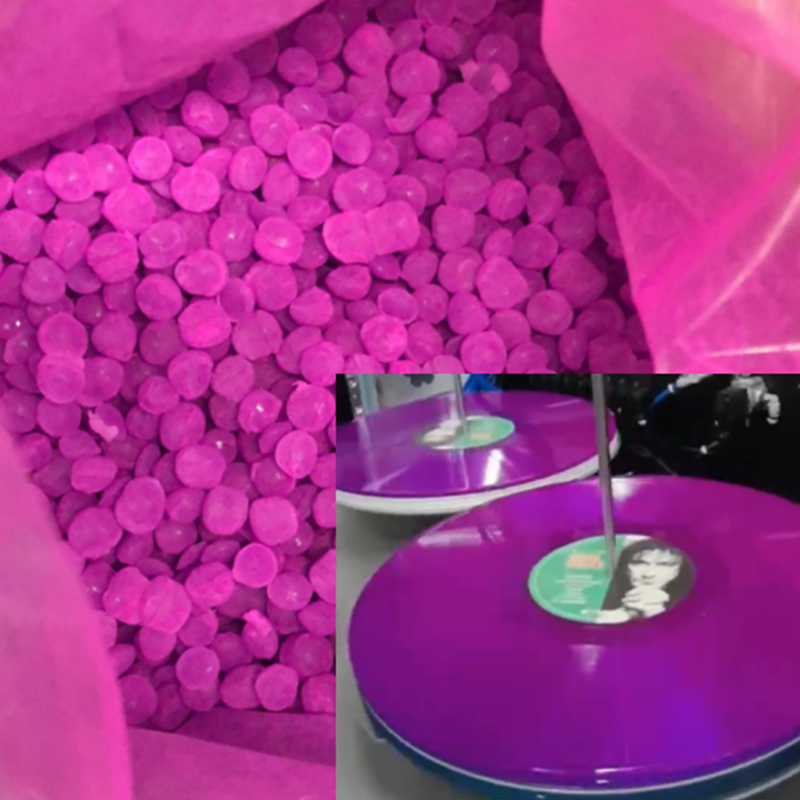
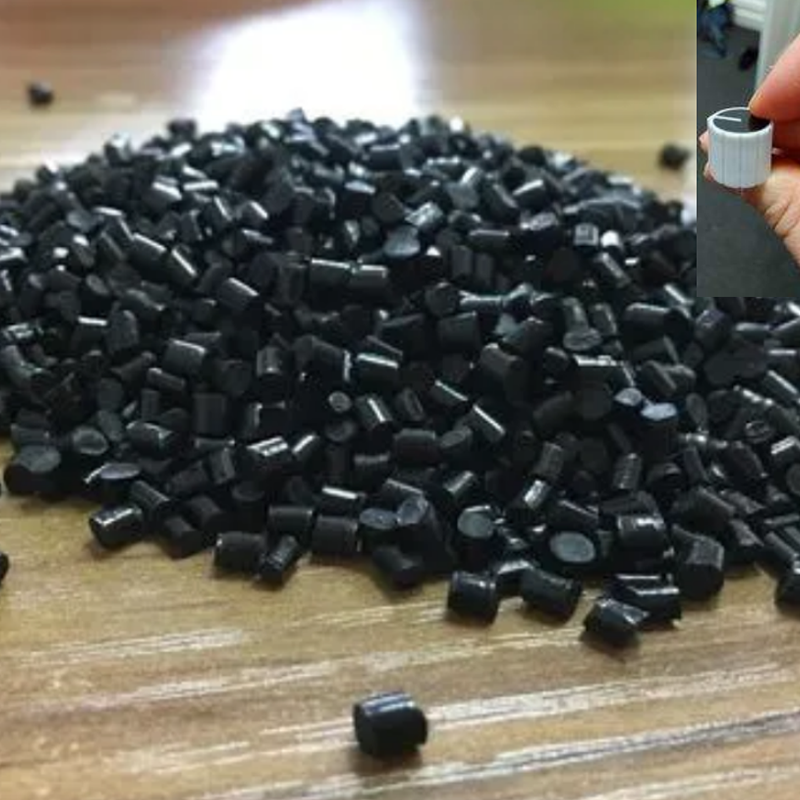
The production of PVC phonorecords begins with the preparation of the PVC material. This involves mixing PVC resin with other additives to achieve the desired properties, including flexibility and durability.
5.2 Molding and Pressing
The prepared PVC is then heated and pressed into a mold that shapes the record. This process involves creating intricate grooves that encode the sound. Precision is crucial here, as any imperfections can affect sound quality.
5.3 Finishing Touches
After molding, the records undergo finishing processes, which may include polishing and applying labels. These steps enhance the aesthetics and functionality of the phonorecords, ensuring they are ready for distribution.
6. Sustainability in PVC Production and Usage
Sustainability is a critical concern in today’s production processes, and the phonorecord industry is no exception. PVC’s potential for recycling and reuse is significant.
6.1 Recyclability
PVC can be recycled multiple times without losing its properties, making it an environmentally friendly option. This lifecycle helps reduce waste and the demand for virgin materials.
6.2 Innovations in Sustainable Practices
Many manufacturers are adopting green technologies and practices in the production of PVC phonorecords. This includes using renewable energy sources and reducing emissions during the manufacturing process.
7. The Future of PVC in the Phonorecord Industry
The future of PVC in the phonorecord industry looks promising. As consumer demand for vinyl records continues to grow, the advantages of PVC will likely drive further innovation.
7.1 Technological Advancements
Emerging technologies may enhance the production of PVC records, leading to even higher sound fidelity and faster manufacturing. Innovations in materials science could also introduce new blends of PVC that enhance performance.
7.2 Market Trends
The resurgence of vinyl records in the digital age signifies a robust market for PVC phonorecords. This trend presents opportunities for niche markets and bespoke products, appealing to collectors and audiophiles alike.
8. FAQs About PVC and Phonorecords
8.1 What is PVC?
PVC, or Polyvinyl Chloride, is a synthetic plastic polymer widely used in various applications, including phonorecord production due to its durability and sound quality.
8.2 Why is PVC preferred over other materials for phonorecords?
PVC is preferred for its durability, superior sound quality, lightweight nature, and cost-effectiveness, making it an ideal choice for producing high-quality phonorecords.
8.3 Are PVC phonorecords environmentally friendly?
While traditional PVC production has environmental impacts, advancements in recycling and sustainable practices are making PVC phonorecords more environmentally friendly.
8.4 How are PVC phonorecords produced?
PVC phonorecords are produced through a process that includes material preparation, molding, pressing, and finishing, creating high-quality sound reproduction.
8.5 What does the future hold for PVC in the phonorecord industry?
The future of PVC in the phonorecord industry appears bright, with potential for technological advancements and increased demand for vinyl records driving innovation.
9. Conclusion
In conclusion, **PVC has revolutionized the phonorecord industry** by offering a combination of durability, sound quality, and cost-effectiveness that traditional materials simply cannot match. As the demand for vinyl records rises, the continued innovation in PVC production and sustainable practices will ensure its relevance for years to come. The phonorecord industry stands at the forefront of a sound revolution, with PVC as its cornerstone, heralding a new era of music enjoyment for generations to come.
PVC For Phonorecord
Pre
Related News


Address: No. 2-1, ShiZhong 3rd Road, Dashi, Panyu, Guangzhou, Guangdong, China



Online Message