Why Degradable Fiber Pellets Are Revolutionizing Sustainable Plastics
Release time:
2025-11-09 09:40
Source:
Why Degradable Fiber Pellets Are Revolutionizing Sustainable Plastics
Table of Contents
- 1. Introduction to Degradable Fiber Pellets
- 2. What Are Degradable Fiber Pellets?
- 3. The Importance of Sustainable Plastics
- 4. Benefits of Degradable Fiber Pellets
- 5. How Are Degradable Fiber Pellets Made?
- 6. Applications of Degradable Fiber Pellets
- 7. Challenges and Considerations
- 8. The Future of Degradable Fiber Pellets
- 9. FAQs
- 10. Conclusion
1. Introduction to Degradable Fiber Pellets
In recent years, the quest for sustainable solutions in the plastics industry has accelerated. Traditional plastics, notorious for their environmental impact, have led to an urgent need for alternatives. **Degradable fiber pellets** stand at the forefront of this revolution, introducing a viable pathway towards **sustainable plastics**. As industries grapple with the implications of plastic waste, these innovative materials are proving to be a game-changer.
2. What Are Degradable Fiber Pellets?
**Degradable fiber pellets** are small, bead-like substances made from various biodegradable materials designed to break down more easily in the environment compared to conventional plastics. These pellets are engineered to decompose through natural processes, allowing for a reduction in long-term waste accumulation. They consist of polymers that can degrade either through chemical, photodegradable, or biological means.
3. The Importance of Sustainable Plastics
The increasing awareness of plastic pollution underscores the necessity for sustainable solutions. With billions of tons of plastic waste produced each year, the environmental repercussions are devastating. Sustainable plastics, like degradable fiber pellets, play a crucial role in mitigating these effects by reducing dependency on fossil fuels and minimizing landfill contributions. By fostering a circular economy, these materials assist in preserving natural resources and promoting environmental health.
4. Benefits of Degradable Fiber Pellets
Degradable fiber pellets offer a myriad of benefits that make them an attractive option for industries looking to adopt sustainable practices.
4.1 Environmental Impact
The most significant advantage of degradable fiber pellets is their **positive environmental impact**. Unlike traditional plastics that can take centuries to decompose, degradable pellets break down within months or years, depending on the conditions. This capability drastically reduces the volume of plastic waste in landfills and oceans, thereby minimizing pollution and protecting wildlife.
4.2 Economic Benefits
Investing in degradable fiber pellets can yield substantial **economic benefits**. Companies that adopt these materials can enhance their brand image, attract eco-conscious consumers, and potentially benefit from government incentives aimed at promoting sustainable practices. Furthermore, the reduction in waste management costs can lead to significant savings in the long run.
4.3 Versatility in Applications
Degradable fiber pellets exhibit remarkable **versatility**. They can be utilized across various sectors, including packaging, textiles, and automotive industries. This adaptability means that businesses can incorporate these materials into existing production processes with relative ease, facilitating a smoother transition towards sustainability.
5. How Are Degradable Fiber Pellets Made?
The production of degradable fiber pellets involves several key processes. Initially, raw biodegradable materials, such as polylactic acid (PLA) or starch-based polymers, are sourced. These materials are then subjected to a melting process and extruded into small pellets. The formulation may include additives that enhance degradation rates or improve mechanical properties. The resulting pellets are then cooled and packaged for distribution, ready to be incorporated into various products.
6. Applications of Degradable Fiber Pellets
Degradable fiber pellets find applications in numerous industries, each leveraging their unique properties to create more sustainable products.
6.1 Packaging Industry
One of the largest markets for degradable fiber pellets is the **packaging industry**. As consumer demand for sustainable packaging increases, businesses are turning to these pellets to produce biodegradable bags, containers, and films. This shift not only reduces the environmental footprint of packaging materials but also aligns with consumer preferences for eco-friendly options.
6.2 Textiles and Apparel
The **textiles and apparel** industry is also experiencing a transformation through the use of degradable fiber pellets. Fashion brands are beginning to incorporate biodegradable fibers into their clothing lines, addressing the issue of textile waste. By utilizing these materials, the industry can reduce its environmental impact while meeting the growing demand for sustainable fashion.
6.3 Automotive Industry
Even the **automotive industry** is not exempt from the sustainable shift. Degradable fiber pellets can be used to create interior components, such as seat covers and insulation, that are not only lightweight but also environmentally friendly. This innovation allows manufacturers to meet stricter regulations regarding emissions and recycling while appealing to eco-conscious consumers.
7. Challenges and Considerations
Despite their numerous benefits, the adoption of degradable fiber pellets is not without challenges. **Consumer awareness** remains a significant hurdle; many people are still unfamiliar with the advantages of biodegradable materials. Additionally, the **cost** of producing degradable fibers can be higher than traditional plastics, which may deter some manufacturers. Ensuring consistent quality and performance compared to conventional materials is also critical for widespread acceptance.
8. The Future of Degradable Fiber Pellets
The future of degradable fiber pellets appears promising. As technology advances, the production processes are expected to become more efficient, reducing costs and improving the properties of these materials. Increased regulatory pressures and consumer demand for sustainable products will likely drive innovation and investment in this sector. The development of new biodegradable materials may also expand the range of applications, making degradable fiber pellets an essential component of a sustainable future.
9. FAQs
What are the main components of degradable fiber pellets?
Degradable fiber pellets are primarily made from biodegradable materials such as polylactic acid (PLA), starch-based polymers, and other organic compounds designed to break down more easily in the environment.
How long does it take for degradable fiber pellets to decompose?
The decomposition time for degradable fiber pellets varies based on environmental conditions, but they typically break down within months to a few years, significantly faster than conventional plastics.
Are degradable fiber pellets safe for the environment?
Yes, degradable fiber pellets are designed to minimize environmental impact. They break down into non-toxic byproducts, reducing pollution and protecting wildlife.
Can degradable fiber pellets be recycled?
Recycling capabilities depend on the specific type of degradable material used. Some degradable fiber pellets can be composted, while others may not be suitable for traditional recycling processes.
How can businesses transition to using degradable fiber pellets?
Businesses can transition by researching suitable suppliers of degradable fiber pellets, assessing the compatibility with existing products, and educating consumers about the benefits of switching to sustainable materials.
10. Conclusion
Degradable fiber pellets represent a pivotal innovation in the quest for sustainable plastics. By addressing key environmental issues and offering versatile applications across various industries, these materials are poised to revolutionize the way we approach plastic production and consumption. As we move towards a more sustainable future, embracing degradable fiber pellets could play a vital role in reducing plastic waste and fostering a healthier planet. The journey towards sustainability is ongoing, and with innovations like degradable fiber pellets, we are taking significant strides in the right direction.
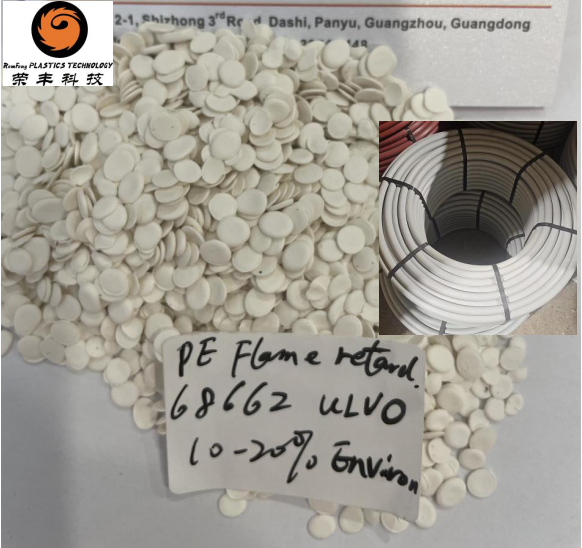
degradable fiber pellet


Address: No. 2-1, ShiZhong 3rd Road, Dashi, Panyu, Guangzhou, Guangdong, China



Online Message