Understanding Degradable Fiber Pellets: A Sustainable Solution for the Plastic Industry
Release time:
2025-11-16 09:30
Source:
Degradable fiber pellets are emerging as a vital component in the quest for sustainable materials within the chemical and plastics industry. These pellets are designed to break down over time, addressing the growing concerns of plastic waste and environmental impact. As industries shift towards eco-friendliness, understanding the properties and applications of degradable fiber pellets becomes essential for professionals looking to innovate and adapt.
One of the key characteristics of degradable fiber pellets is their ability to decompose through natural processes. This decomposition occurs due to microbial activity, heat, moisture, and other environmental factors. Unlike traditional plastics, which can take hundreds of years to break down, degradable fiber pellets can significantly reduce the longevity of waste in landfills and oceans when properly managed. This feature not only helps to minimize environmental impact but also aligns with global sustainability goals.
In the production of modified plastics, degradable fiber pellets can be incorporated into various formulations to improve performance. For instance, they can enhance the mechanical properties of plastics, thereby increasing strength and flexibility while maintaining biodegradability. This makes them suitable for applications in packaging, textiles, and even automotive parts where traditional materials may contribute to pollution.
Another significant advantage of using degradable fiber pellets lies in their versatility. They can be blended with other polymers or materials, allowing manufacturers to customize the properties of the final product. This adaptability opens doors for innovation, as businesses can experiment with different combinations to meet specific market needs while adhering to environmental regulations.
Furthermore, the use of degradable fiber pellets can enhance a brand’s image by showcasing a commitment to sustainability. As consumers become more environmentally conscious, companies that prioritize eco-friendly materials in their products can attract a broader customer base. This trend not only fosters corporate responsibility but also drives demand for greener alternatives in the market.
In conclusion, degradable fiber pellets represent a crucial advancement in the plastic industry, offering a practical solution to the pressing issue of plastic waste. Their biodegradability, versatility, and potential for enhanced performance make them an attractive option for manufacturers aiming to innovate sustainably. As the industry continues to evolve, integrating these materials into production processes will be key to meeting both consumer demands and environmental standards. Embracing this change can lead to a more sustainable future, benefiting not only businesses but also the planet as a whole.
One of the key characteristics of degradable fiber pellets is their ability to decompose through natural processes. This decomposition occurs due to microbial activity, heat, moisture, and other environmental factors. Unlike traditional plastics, which can take hundreds of years to break down, degradable fiber pellets can significantly reduce the longevity of waste in landfills and oceans when properly managed. This feature not only helps to minimize environmental impact but also aligns with global sustainability goals.
In the production of modified plastics, degradable fiber pellets can be incorporated into various formulations to improve performance. For instance, they can enhance the mechanical properties of plastics, thereby increasing strength and flexibility while maintaining biodegradability. This makes them suitable for applications in packaging, textiles, and even automotive parts where traditional materials may contribute to pollution.
Another significant advantage of using degradable fiber pellets lies in their versatility. They can be blended with other polymers or materials, allowing manufacturers to customize the properties of the final product. This adaptability opens doors for innovation, as businesses can experiment with different combinations to meet specific market needs while adhering to environmental regulations.
Furthermore, the use of degradable fiber pellets can enhance a brand’s image by showcasing a commitment to sustainability. As consumers become more environmentally conscious, companies that prioritize eco-friendly materials in their products can attract a broader customer base. This trend not only fosters corporate responsibility but also drives demand for greener alternatives in the market.
In conclusion, degradable fiber pellets represent a crucial advancement in the plastic industry, offering a practical solution to the pressing issue of plastic waste. Their biodegradability, versatility, and potential for enhanced performance make them an attractive option for manufacturers aiming to innovate sustainably. As the industry continues to evolve, integrating these materials into production processes will be key to meeting both consumer demands and environmental standards. Embracing this change can lead to a more sustainable future, benefiting not only businesses but also the planet as a whole.
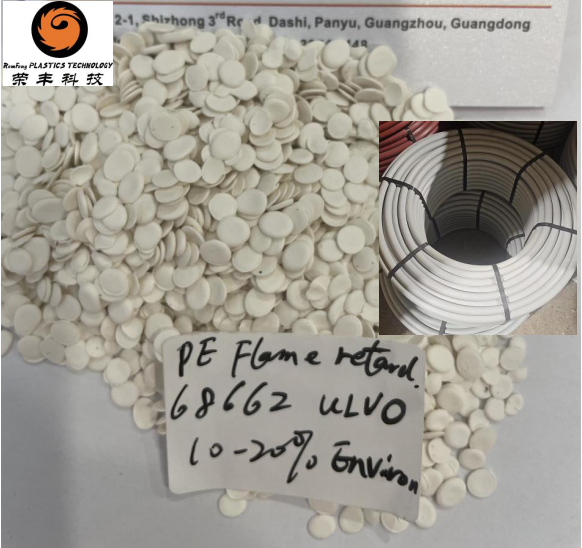
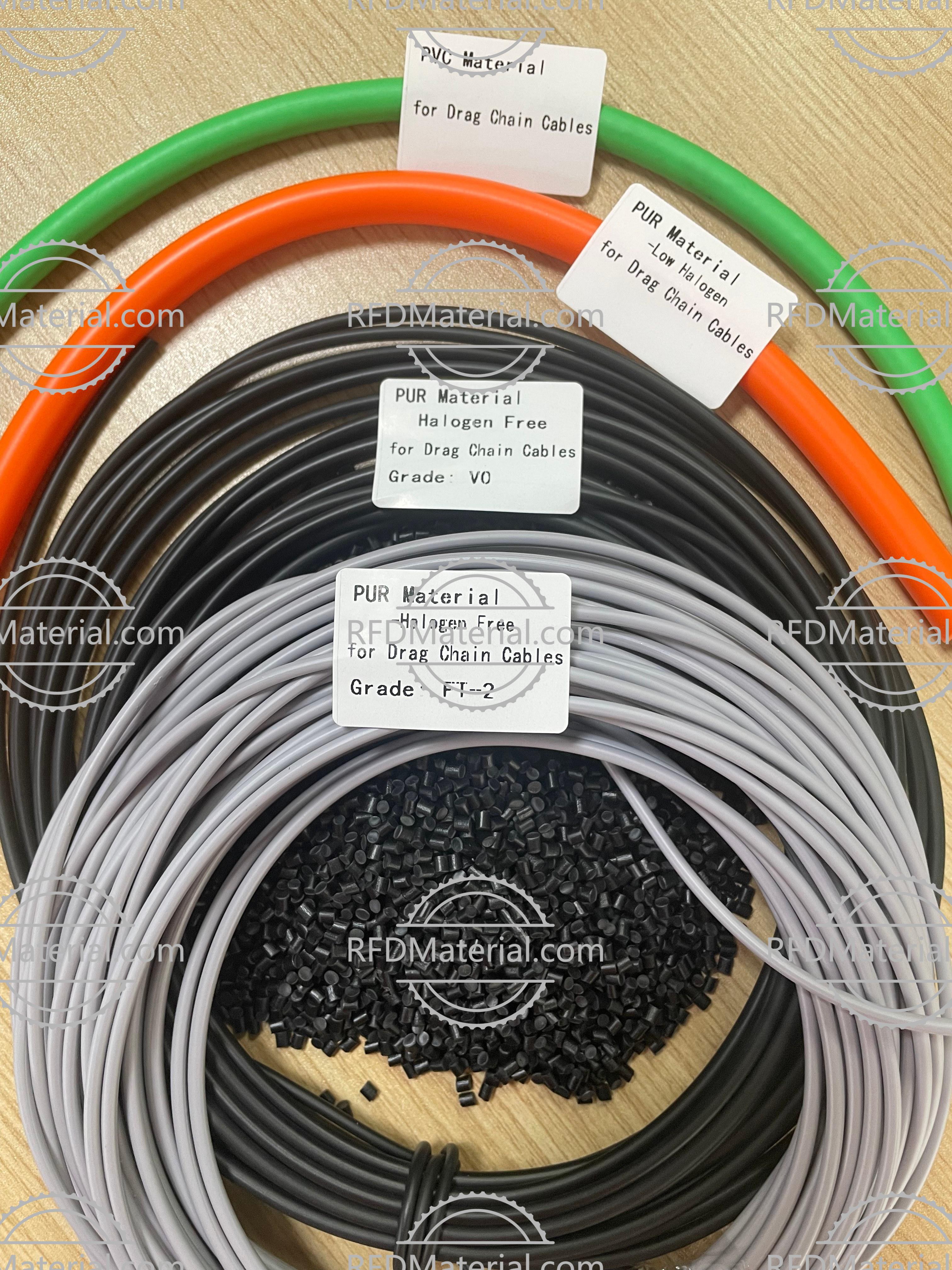
degradable fiber pellet


Address: No. 2-1, ShiZhong 3rd Road, Dashi, Panyu, Guangzhou, Guangdong, China



Online Message