
Flame Retardant Masterbatch: Essential for Fire Safety in Aviation
Release time:
2025-11-23 09:40
Source:
Flame Retardant Masterbatch: Essential for Fire Safety in Aviation
Introduction to Flame Retardant Masterbatch
Flame retardant masterbatch plays a pivotal role in the aviation industry, where safety regulations demand the highest standards to protect both passengers and cargo. These specialized compounds are designed to improve the fire resistance of various plastic components used in aircraft, ensuring compliance with stringent fire safety standards.
Understanding Flame Retardancy
Flame retardancy refers to the ability of a material to resist ignition and slow down the spread of fire. In aviation, where materials are exposed to high temperatures and potential fire hazards, the application of flame retardant masterbatch is vital. This section delves into the science of flame retardants, the mechanism of action, and how they prevent fire propagation.
The Chemistry Behind Flame Retardant Masterbatch
Flame retardant masterbatch consists of a carrier resin blended with flame-retardant additives. These additives can be categorized into different types:
- **Halogenated Flame Retardants**: Effective but controversial due to environmental concerns.
- **Non-Halogenated Flame Retardants**: Safer alternatives gaining popularity in the aviation industry.
- **Intumescent Systems**: Expand when exposed to heat, forming a protective char layer.
Understanding these chemical processes helps manufacturers choose the right masterbatch for their specific applications.
Applications in the Aviation Industry
Flame retardant masterbatches are incorporated into a variety of components used in aircraft manufacturing, including:
Interior Cabin Materials
The interior of an aircraft is designed to be both comfortable and safe. Materials used for seating, carpeting, and paneling are often treated with flame retardant masterbatch to meet Federal Aviation Administration (FAA) regulations. These treatments help minimize smoke generation and toxic gas emissions in case of fire.
Electrical Components
The aviation industry relies heavily on electrical systems for communication, navigation, and passenger services. Flame retardant masterbatch is critical for insulating materials used in wiring and circuit boards to prevent electrical fires.
Fuel Systems
Fuel tanks and associated systems must withstand extreme conditions. Using flame retardant materials can significantly reduce the risk of catastrophic failures.
Benefits of Using Flame Retardant Masterbatch
The incorporation of flame retardant masterbatch in aviation components offers numerous benefits:
Enhanced Safety Standards
The primary advantage lies in improved safety protocols. By utilizing flame retardant masterbatch, manufacturers can help ensure that their products comply with international safety standards, protecting passengers and crew alike.
Regulatory Compliance
Adhering to regulations such as the FAA’s FAR 25.853 flammability standards is essential. Utilizing flame retardant masterbatch aids in meeting these necessary benchmarks, allowing manufacturers to avoid penalties and product recalls.
Cost-Effectiveness
Although the initial investment in flame retardant masterbatch may be higher, the long-term benefits in safety and compliance can result in significant cost savings for manufacturers by reducing potential liabilities and insurance premiums.
Innovations in Flame Retardant Masterbatch Technology
As the aviation industry evolves, so does the technology behind flame retardant masterbatch. Recent innovations focus on enhancing performance while minimizing environmental impact.
Bio-Based Flame Retardants
The rise of bio-based flame retardants is a promising development. These materials are derived from renewable resources and provide effective flame retardancy without the environmental drawbacks associated with traditional halogenated options.
Nanotechnology in Flame Retardants
Nanotechnology is revolutionizing the production of flame retardant masterbatch. By incorporating nanoparticles, manufacturers can create materials that are lighter, stronger, and more effective at resisting flame spread.
Challenges Facing Flame Retardant Masterbatch in Aviation
Despite the advantages, there are challenges that manufacturers must navigate:
Environmental Concerns
With increasing scrutiny on the environmental impact of flame retardants, especially halogenated ones, the industry faces pressure to develop safer alternatives without compromising performance.
Performance vs. Cost
Balancing high performance with affordability remains a challenge. Manufacturers must carefully select flame retardants that meet rigorous standards while remaining cost-effective.
Future Trends in Flame Retardant Masterbatch
Looking ahead, several trends are likely to shape the future of flame retardant masterbatch in aviation:
Increased Focus on Sustainability
With the aviation industry pushing towards greener practices, the demand for sustainable and biodegradable flame retardants will continue to rise.
Advanced Testing Methods
Developing more sophisticated testing methods for flame retardant materials will help ensure that new types meet safety standards effectively, promoting consumer trust and safety.
Conclusion
Flame retardant masterbatch is an essential component in ensuring fire safety within the aviation industry. By enhancing the fire resistance of various materials, it not only meets regulatory requirements but also protects lives. As technology advances and environmental considerations become more prominent, the future of flame retardant masterbatch looks promising, paving the way for safer and more sustainable aviation practices.
FAQs
1. What is flame retardant masterbatch?
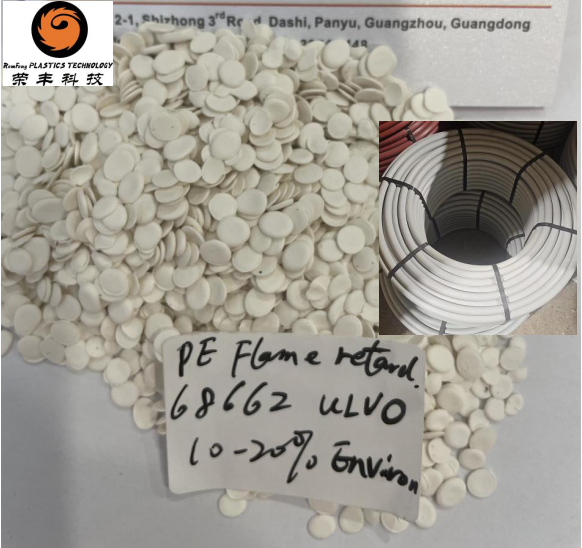
Flame retardant masterbatch is a concentrated mixture of flame retardant additives and a polymer carrier used to enhance the fire resistance of plastic materials.
2. Why is flame retardant masterbatch important for aviation?
It is crucial for aviation because it helps meet safety standards and reduces the risk of fire-related incidents on aircraft.
3. What types of flame retardants are used in masterbatch production?
Common types include halogenated, non-halogenated, and intumescent flame retardants.
4. How does flame retardant masterbatch improve safety in aircraft interiors?
By being incorporated into cabin materials, it minimizes smoke production and reduces toxicity in the event of a fire.
5. What are the environmental impacts of flame retardant masterbatch?
While traditional halogenated flame retardants raise environmental concerns, advancements in bio-based and non-toxic alternatives are addressing these issues.
This comprehensive exploration of flame retardant masterbatch in aviation highlights its necessity for safety and regulation compliance, while also addressing future innovations and challenges in the industry.
Flame Retardant Masterbatch


Address: No. 2-1, ShiZhong 3rd Road, Dashi, Panyu, Guangzhou, Guangdong, China



Online Message