Understanding Degradable Fiber Pellets: A Sustainable Solution in Plastic Modification
Release time:
2026-01-11 10:10
Source:
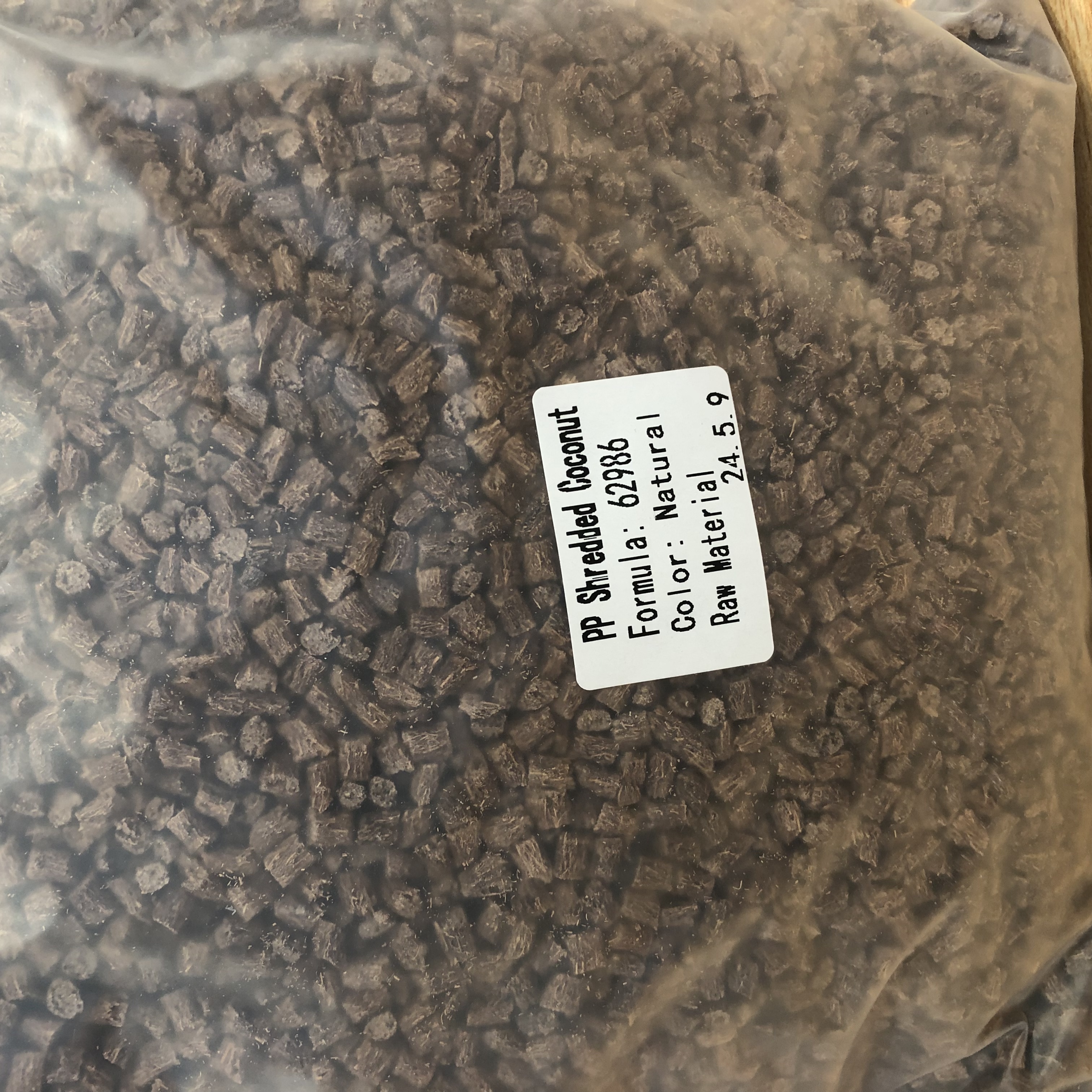
Degradable fiber pellets represent a significant advancement in the realm of sustainable materials, particularly within the chemical and plastics industry. These pellets are designed to break down more quickly than traditional plastics, minimizing long-term environmental impact. Composed of biodegradable fibers, they offer a compelling alternative for manufacturers seeking to reduce their ecological footprint while maintaining product performance.
One of the primary advantages of using degradable fiber pellets is their ability to decompose under specific environmental conditions. Unlike conventional plastics that can persist in landfills for hundreds of years, these pellets are engineered to degrade within a shorter timeframe. This is particularly beneficial in an age where waste management and environmental preservation are of utmost importance. By utilizing materials that can break down more easily, companies can significantly reduce the volume of plastic waste entering our ecosystems.
Moreover, degradable fiber pellets can be incorporated into a variety of applications, including packaging, textiles, and other plastic products. When used in conjunction with traditional plastic materials, these pellets can enhance the properties of the final product. For instance, they may improve the strength and durability of composites while still promoting an eco-friendlier lifecycle. This versatility makes them a valuable asset for manufacturers aiming to innovate their product lines without compromising on sustainability.
Another crucial factor to consider is the potential for these pellets to meet regulatory standards related to environmental impact. As governments around the world impose stricter regulations on plastic waste, companies that adopt degradable fiber pellets can position themselves as leaders in compliance and corporate responsibility. By proactively addressing the challenges of plastic pollution, businesses not only contribute to a healthier planet but can also enhance their marketability and appeal to eco-conscious consumers.
In conclusion, the integration of degradable fiber pellets into the production processes of modified plastics offers a promising avenue for sustainable development within the chemical industry. As awareness about plastic pollution continues to rise, the demand for environmentally friendly alternatives will only grow. By embracing this innovative material, manufacturers can lead the way in creating a more sustainable future, one fiber pellet at a time.
One of the primary advantages of using degradable fiber pellets is their ability to decompose under specific environmental conditions. Unlike conventional plastics that can persist in landfills for hundreds of years, these pellets are engineered to degrade within a shorter timeframe. This is particularly beneficial in an age where waste management and environmental preservation are of utmost importance. By utilizing materials that can break down more easily, companies can significantly reduce the volume of plastic waste entering our ecosystems.
Moreover, degradable fiber pellets can be incorporated into a variety of applications, including packaging, textiles, and other plastic products. When used in conjunction with traditional plastic materials, these pellets can enhance the properties of the final product. For instance, they may improve the strength and durability of composites while still promoting an eco-friendlier lifecycle. This versatility makes them a valuable asset for manufacturers aiming to innovate their product lines without compromising on sustainability.
Another crucial factor to consider is the potential for these pellets to meet regulatory standards related to environmental impact. As governments around the world impose stricter regulations on plastic waste, companies that adopt degradable fiber pellets can position themselves as leaders in compliance and corporate responsibility. By proactively addressing the challenges of plastic pollution, businesses not only contribute to a healthier planet but can also enhance their marketability and appeal to eco-conscious consumers.
In conclusion, the integration of degradable fiber pellets into the production processes of modified plastics offers a promising avenue for sustainable development within the chemical industry. As awareness about plastic pollution continues to rise, the demand for environmentally friendly alternatives will only grow. By embracing this innovative material, manufacturers can lead the way in creating a more sustainable future, one fiber pellet at a time.
Degradable fiber pellets


Address: No. 2-1, ShiZhong 3rd Road, Dashi, Panyu, Guangzhou, Guangdong, China



Online Message