
Unlocking the Potential of Wheat Straw Bioplastic Compounds in the Chemical Industry
Release time:
2026-07-07 11:50
Source:
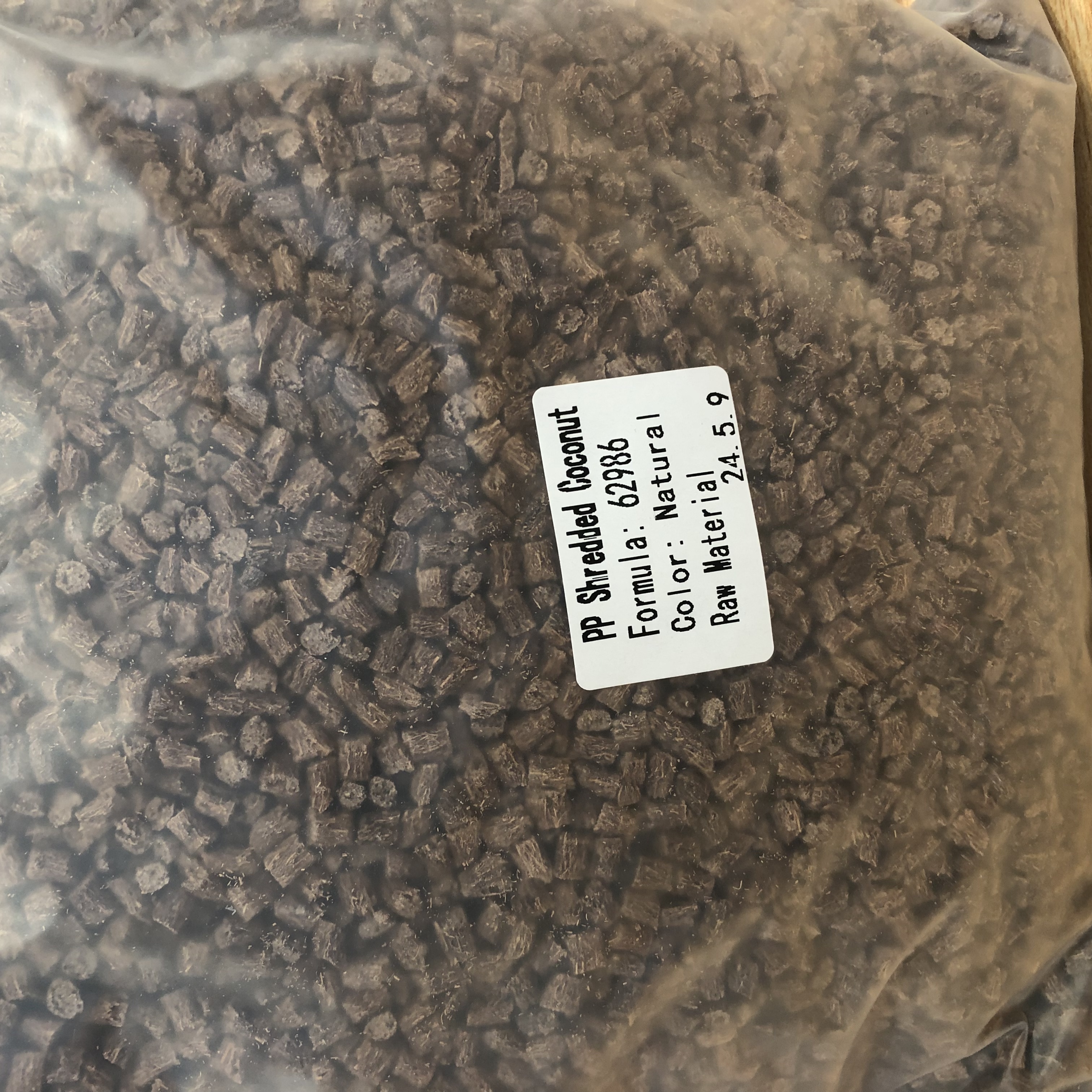
Wheat straw bioplastic compounds represent a groundbreaking approach in the realm of sustainable materials within the chemical industry, specifically in the production of plastics and modified plastic products. These compounds, derived from the agricultural byproduct of wheat straw, offer a renewable and biodegradable alternative to conventional petroleum-based plastics. The utilization of wheat straw not only addresses environmental concerns but also adds value to agricultural waste, providing a dual benefit for farmers and manufacturers alike.
The primary advantage of wheat straw bioplastic compounds lies in their biodegradability. Unlike traditional plastics, which can take hundreds of years to decompose, bioplastics made from agricultural materials break down much more quickly, reducing the burden on landfills and minimizing environmental pollution. This characteristic is particularly advantageous for industries focusing on sustainability and corporate social responsibility.
Moreover, wheat straw bioplastics possess unique properties that can be tailored to meet specific application needs. For instance, by modifying the compound's formulation, manufacturers can enhance its mechanical strength, flexibility, and thermal stability. This versatility allows for a wide range of applications, including packaging, automotive parts, and consumer goods, thus expanding the market opportunities for businesses invested in this innovative material.
The production process of wheat straw bioplastics typically involves the extraction of cellulose and hemicellulose from the straw through various methods, including chemical, physical, or enzymatic treatments. The resultant biopolymer can then be blended with other natural or synthetic materials to improve performance characteristics, ensuring that the final product meets rigorous industry standards.
As the demand for sustainable alternatives continues to rise, the adoption of wheat straw bioplastic compounds is likely to increase. Industries are increasingly recognizing the importance of transitioning towards greener solutions, driven by consumer preferences and regulatory pressures aimed at reducing plastic waste. By integrating wheat straw bioplastics into their product lines, businesses can not only enhance their sustainability profiles but also tap into the growing market of eco-conscious consumers.
In conclusion, wheat straw bioplastic compounds present a promising avenue for innovation within the plastic and modified plastics sector. By leveraging agricultural waste and promoting biodegradability, these compounds offer a sustainable solution that aligns with current environmental trends. Companies that embrace this technology could position themselves at the forefront of the green materials movement, paving the way for a more sustainable future in the chemical industry.
The primary advantage of wheat straw bioplastic compounds lies in their biodegradability. Unlike traditional plastics, which can take hundreds of years to decompose, bioplastics made from agricultural materials break down much more quickly, reducing the burden on landfills and minimizing environmental pollution. This characteristic is particularly advantageous for industries focusing on sustainability and corporate social responsibility.
Moreover, wheat straw bioplastics possess unique properties that can be tailored to meet specific application needs. For instance, by modifying the compound's formulation, manufacturers can enhance its mechanical strength, flexibility, and thermal stability. This versatility allows for a wide range of applications, including packaging, automotive parts, and consumer goods, thus expanding the market opportunities for businesses invested in this innovative material.
The production process of wheat straw bioplastics typically involves the extraction of cellulose and hemicellulose from the straw through various methods, including chemical, physical, or enzymatic treatments. The resultant biopolymer can then be blended with other natural or synthetic materials to improve performance characteristics, ensuring that the final product meets rigorous industry standards.
As the demand for sustainable alternatives continues to rise, the adoption of wheat straw bioplastic compounds is likely to increase. Industries are increasingly recognizing the importance of transitioning towards greener solutions, driven by consumer preferences and regulatory pressures aimed at reducing plastic waste. By integrating wheat straw bioplastics into their product lines, businesses can not only enhance their sustainability profiles but also tap into the growing market of eco-conscious consumers.
In conclusion, wheat straw bioplastic compounds present a promising avenue for innovation within the plastic and modified plastics sector. By leveraging agricultural waste and promoting biodegradability, these compounds offer a sustainable solution that aligns with current environmental trends. Companies that embrace this technology could position themselves at the forefront of the green materials movement, paving the way for a more sustainable future in the chemical industry.
wheat straw bioplastic compound



Address: No. 2-1, ShiZhong 3rd Road, Dashi, Panyu, Guangzhou, Guangdong, China



Online Message