Unveiling the Benefits of XLPE Insulation Compound for Chemical Applications
Release time:
2026-03-15 11:50
Source:
Unveiling the Benefits of XLPE Insulation Compound for Chemical Applications
Table of Contents
- 1. Introduction to XLPE Insulation Compounds
- 2. What is XLPE?
- 3. Key Properties of XLPE Insulation Compounds
- 4. Applications of XLPE in Chemical Industries
- 5. Benefits of Using XLPE Insulation Compounds
- 6. Future Trends in XLPE Insulation
- 7. Frequently Asked Questions
- 8. Conclusion
1. Introduction to XLPE Insulation Compounds
XLPE, or cross-linked polyethylene, has emerged as a revolutionary material in the chemical industry, particularly for insulation applications. This thermosetting polymer is known for its robustness and versatility, making it an ideal choice for various demanding environments. In this article, we will delve into the myriad benefits of XLPE insulation compounds, particularly in chemical applications.
2. What is XLPE?
XLPE stands for cross-linked polyethylene, a type of polyethylene that has undergone a chemical process to create cross-links between its polymer chains. This modification significantly enhances its properties, resulting in a material that boasts excellent thermal stability, chemical resistance, and mechanical strength. These enhancements make XLPE a preferred choice in numerous applications, especially where conventional polyethylene would fail.
3. Key Properties of XLPE Insulation Compounds
3.1 Thermal Stability
One of the standout features of XLPE insulation compounds is their **thermal stability**. Unlike other insulating materials, XLPE can withstand high temperatures without deteriorating. This property is critical for applications in industries such as chemicals, where processes often involve high heat. The ability to maintain integrity at elevated temperatures ensures that cables and pipes remain safe and functional over time.
3.2 Chemical Resistance
Another important property of XLPE is its **chemical resistance**. The cross-linking process enhances the polymer's resistance to a wide range of chemicals, including acids, bases, and solvents. This characteristic is crucial in industries that deal with aggressive substances, as it prevents degradation and ensures the longevity of the insulation.
3.3 Mechanical Properties
XLPE also possesses remarkable **mechanical properties**, including high tensile strength and flexibility. This flexibility allows for easy installation in various environments, while its strength ensures that it can withstand physical stress without cracking or breaking. These attributes make XLPE an ideal choice for insulation in both cables and pipes.
4. Applications of XLPE in Chemical Industries
The versatility of XLPE insulation compounds enables their use in various applications within the chemical industry.
4.1 XLPE in Cable Insulation
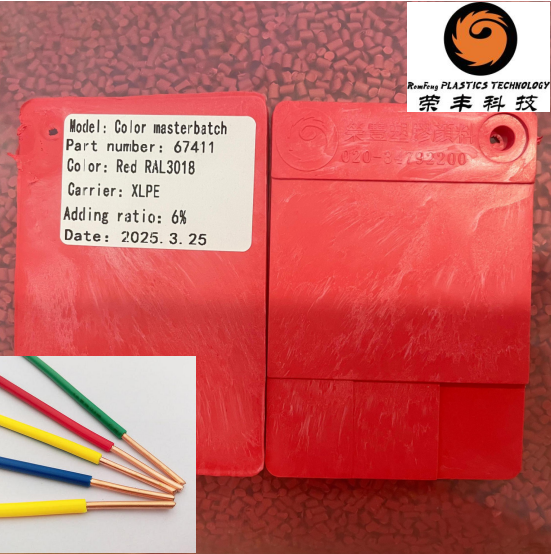
XLPE is extensively used in the insulation of electrical cables. The combination of high thermal stability and excellent mechanical properties makes it suitable for both low and high-voltage applications. Its resistance to environmental factors such as moisture and UV radiation further enhances its performance, making XLPE insulated cables ideal for outdoor and industrial settings.
4.2 XLPE for Pipe Insulation
In addition to cables, XLPE is also employed in the insulation of pipes. The chemical resistance of XLPE ensures that it can safely transport aggressive fluids without risk of leakage or failure. Moreover, the thermal properties of this material help maintain the temperature of the materials being transported, contributing to process efficiency.
5. Benefits of Using XLPE Insulation Compounds
5.1 Long-Term Performance
One of the primary advantages of XLPE insulation compounds is their **long-term performance**. The durability of XLPE ensures that installations remain reliable over their intended lifespan, reducing the need for frequent replacements and repairs. This longevity translates to cost savings for businesses in the chemical industry.
5.2 Sustainability Considerations
In an age where sustainability is paramount, XLPE stands out as a more environmentally friendly option compared to traditional insulation materials. The production of XLPE generates fewer harmful emissions, and its longevity means that less material is disposed of over time. Furthermore, XLPE can be recycled, contributing to a circular economy.
6. Future Trends in XLPE Insulation
The market for XLPE insulation compounds is expected to grow, driven by increasing demand in various sectors. Innovations in manufacturing processes are likely to enhance the properties of XLPE, making it even more versatile and effective for modern applications. Furthermore, as industries become more environmentally conscious, the focus on sustainable materials like XLPE will likely continue to rise.
7. Frequently Asked Questions
What makes XLPE different from regular polyethylene?
XLPE is cross-linked, which enhances its thermal stability, chemical resistance, and mechanical strength compared to regular polyethylene. This makes XLPE suitable for more demanding applications.
Can XLPE insulation withstand high temperatures?
Yes, XLPE insulation is designed to withstand high temperatures without degrading, making it ideal for applications in environments with elevated heat.
Is XLPE environmentally friendly?
XLPE has a lower environmental impact compared to many traditional insulation materials, and it can be recycled, contributing to sustainability efforts.
What applications benefit from XLPE insulation?
XLPE insulation is beneficial in various applications, including electrical cable insulation and pipe insulation in the chemical industry.
How does XLPE contribute to energy efficiency?
By maintaining the thermal properties of substances it insulates, XLPE helps reduce energy loss, leading to improved energy efficiency in systems that rely on temperature control.
8. Conclusion
XLPE insulation compounds have emerged as a game-changer in the chemical industry, offering unparalleled benefits such as thermal stability, chemical resistance, and mechanical strength. As industries continue to evolve and demand more efficient, durable, and sustainable materials, XLPE stands poised to meet these needs. With its long-term performance and environmental advantages, XLPE is undoubtedly the material of choice for future chemical applications. Investing in XLPE insulation compounds not only ensures the reliability of installations but also contributes to a more sustainable future.
XLPE insulation compound


Address: No. 2-1, ShiZhong 3rd Road, Dashi, Panyu, Guangzhou, Guangdong, China



Online Message