Understanding XLPE Insulation Compound: Key Characteristics and Applications
Release time:
2026-03-22 10:10
Source:
XLPE, or cross-linked polyethylene, insulation compound is a critical material widely used in various applications due to its unique properties. This thermoset polymer is created by chemically crossing the polyethylene molecules, which enhances its thermal, mechanical, and electrical properties compared to standard polyethylene. Understanding the characteristics and applications of XLPE insulation compounds is essential for professionals in the chemical and plastic manufacturing industries.
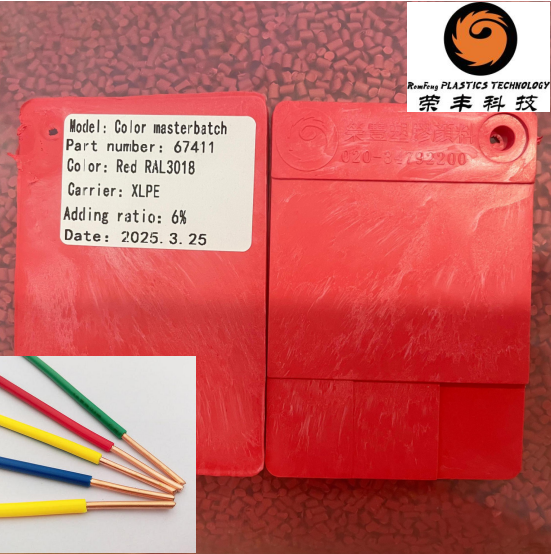
One of the primary advantages of XLPE insulation compounds is their excellent thermal resistance. Unlike conventional polyethylene, XLPE can withstand higher temperatures without losing structural integrity, making it suitable for applications where heat exposure is a concern. This thermal stability is crucial for products used in electrical wiring and cables, where overheating can lead to significant safety hazards.
In addition to thermal resistance, XLPE also boasts outstanding electrical insulation properties. Its dielectric strength is significantly higher than many other insulating materials, making it an ideal choice for wiring in electrical circuits. This characteristic is particularly beneficial in applications that require reliable performance under varying voltage conditions, ensuring safety and efficiency in electrical systems.
Another notable feature of XLPE insulation compounds is their resistance to chemicals and environmental factors. Unlike some traditional plastics, XLPE exhibits remarkable resistance to solvents, acids, and bases, which prolongs the lifespan of products made from this material. This property is especially relevant in industries where exposure to harsh chemicals is inevitable, such as in manufacturing settings or outdoor applications.
XLPE is also known for its durability and flexibility. The cross-linking process not only enhances its mechanical strength but also allows it to maintain flexibility even under stress. This characteristic is crucial in applications where materials need to withstand bending or twisting without cracking or breaking, such as in automotive wires and cables.
Furthermore, XLPE insulation compounds are increasingly recognized for their environmentally friendly attributes. Many formulations are being developed to reduce environmental impact while maintaining high performance. This trend aligns with the growing focus on sustainability within the chemical industry, where manufacturers are seeking to produce more eco-friendly materials.
In summary, XLPE insulation compounds represent a versatile and high-performance option for various applications in the chemical and modified plastic industries. Their exceptional thermal resistance, electrical insulation properties, chemical resistance, durability, and flexibility make them indispensable in modern manufacturing. For professionals in the field, understanding the benefits and applications of XLPE is vital for making informed decisions about material selection, ensuring both safety and efficiency in product development.
One of the primary advantages of XLPE insulation compounds is their excellent thermal resistance. Unlike conventional polyethylene, XLPE can withstand higher temperatures without losing structural integrity, making it suitable for applications where heat exposure is a concern. This thermal stability is crucial for products used in electrical wiring and cables, where overheating can lead to significant safety hazards.
In addition to thermal resistance, XLPE also boasts outstanding electrical insulation properties. Its dielectric strength is significantly higher than many other insulating materials, making it an ideal choice for wiring in electrical circuits. This characteristic is particularly beneficial in applications that require reliable performance under varying voltage conditions, ensuring safety and efficiency in electrical systems.
Another notable feature of XLPE insulation compounds is their resistance to chemicals and environmental factors. Unlike some traditional plastics, XLPE exhibits remarkable resistance to solvents, acids, and bases, which prolongs the lifespan of products made from this material. This property is especially relevant in industries where exposure to harsh chemicals is inevitable, such as in manufacturing settings or outdoor applications.
XLPE is also known for its durability and flexibility. The cross-linking process not only enhances its mechanical strength but also allows it to maintain flexibility even under stress. This characteristic is crucial in applications where materials need to withstand bending or twisting without cracking or breaking, such as in automotive wires and cables.
Furthermore, XLPE insulation compounds are increasingly recognized for their environmentally friendly attributes. Many formulations are being developed to reduce environmental impact while maintaining high performance. This trend aligns with the growing focus on sustainability within the chemical industry, where manufacturers are seeking to produce more eco-friendly materials.
In summary, XLPE insulation compounds represent a versatile and high-performance option for various applications in the chemical and modified plastic industries. Their exceptional thermal resistance, electrical insulation properties, chemical resistance, durability, and flexibility make them indispensable in modern manufacturing. For professionals in the field, understanding the benefits and applications of XLPE is vital for making informed decisions about material selection, ensuring both safety and efficiency in product development.
XLPE insulation compound


Address: No. 2-1, ShiZhong 3rd Road, Dashi, Panyu, Guangzhou, Guangdong, China



Online Message