
Why Rice Husk Bioplastics Are the Future of Eco-Friendly Packaging Solutions
Release time:
2026-06-22 11:10
Source:
Why Rice Husk Bioplastics Are the Future of Eco-Friendly Packaging Solutions
Table of Contents
- Introduction to Rice Husk Bioplastics
- The Problems with Conventional Plastic Packaging
- What Are Rice Husk Bioplastics?
- Benefits of Rice Husk Bioplastics
- Production Process of Rice Husk Bioplastics
- Applications of Rice Husk Bioplastics
- The Future of Eco-Friendly Packaging with Rice Husk Bioplastics
- Frequently Asked Questions (FAQs)
- Conclusion
Introduction to Rice Husk Bioplastics
In recent years, the quest for sustainable packaging solutions has intensified, driven by increasing environmental awareness. Among the myriad of alternatives exploring the market, **rice husk bioplastics** have emerged as a promising contender. These bioplastics, derived from agricultural waste, represent a groundbreaking shift towards more sustainable practices in the packaging industry. In this article, we will explore the significant advantages and potential of rice husk bioplastics as a eco-friendly packaging solution.
The Problems with Conventional Plastic Packaging
Conventional plastic packaging has long been criticized for its environmental impact. The production and disposal of petroleum-based plastics contribute significantly to pollution, greenhouse gas emissions, and the depletion of natural resources. Some of the critical issues include:
1. Environmental Pollution
Conventional plastics can take hundreds of years to decompose, leading to **landfills** overflowing with waste. The microplastics generated from broken-down plastics contaminate soils and waterways, posing severe risks to wildlife and human health.
2. Resource Depletion
The production of traditional plastics relies heavily on fossil fuels, which are non-renewable resources. This dependence not only drains the Earth’s resources but also contributes to climate change.
3. Health Concerns
Certain chemicals in plastic packaging have been linked to health issues, including hormonal disruptions and cancer. As consumers become more health-conscious, the demand for safer packaging alternatives is escalating.
What Are Rice Husk Bioplastics?
Rice husk bioplastics are a type of biopolymer produced from the **husk** of rice. Rice husk is an agricultural by-product that is often discarded, leading to waste and pollution. By transforming this material into bioplastics, we not only reduce waste but also create a valuable product with numerous applications.
1. Composition and Characteristics
Rice husk bioplastics consist of natural fibers, starches, and other biodegradable components. This composition imparts several distinct properties, such as:
- **Biodegradability**: Unlike conventional plastics, rice husk bioplastics can decompose fully in natural environments, significantly reducing their ecological footprint.
- **Renewability**: Sourced from agricultural waste, rice husk is a renewable resource that supports sustainability initiatives.
- **Low Carbon Footprint**: The production of rice husk bioplastics generates fewer greenhouse gases compared to traditional plastic manufacturing processes.
2. Types of Rice Husk Bioplastics
There are various formulations of rice husk bioplastics available, including:
- **Rice Husk Composite Plastics**: These are blends of rice husk with traditional polymers, enhancing their mechanical properties while maintaining biodegradability.
- **Starch-Based Bioplastics**: Utilizing the starch in rice husks, these bioplastics offer an eco-friendly alternative to conventional materials.
Benefits of Rice Husk Bioplastics
The advantages of rice husk bioplastics are extensive, paving the way for their adoption in various industries.
1. Environmental Sustainability
Rice husk bioplastics significantly reduce plastic waste and pollution, contributing to a cleaner, healthier environment. Their biodegradability ensures that they do not linger in landfills for centuries.
2. Economic Viability
Using agricultural by-products like rice husk can lower production costs and create new economic opportunities for farmers. Additionally, as demand for sustainable products increases, companies adopting these solutions can gain a competitive edge.
3. Versatility in Applications
Rice husk bioplastics can be molded into various shapes and forms, making them suitable for multiple applications, including packaging, disposable utensils, and more.
4. Consumer Preference
As consumers become increasingly eco-conscious, products made from rice husk bioplastics can attract more customers. Brands that prioritize sustainability are often viewed more favorably.
Production Process of Rice Husk Bioplastics
The production of rice husk bioplastics involves several critical steps:
1. Collection of Rice Husk
After rice harvesting, the husks are collected as agricultural waste, which is usually burned or discarded.
2. Processing and Purification
The collected husks are processed and purified to remove impurities, ensuring high-quality raw material for bioplastic production.
3. Material Synthesis
The purified rice husk undergoes chemical processes to extract natural fibers and starch. This material is then blended with biodegradable polymers to create the final bioplastic product.
4. Molding and Shaping
Once synthesized, the bioplastic can be molded into various forms, depending on its intended application.
Applications of Rice Husk Bioplastics
The potential uses for rice husk bioplastics are vast, spanning several industries:
1. Packaging Solutions
Rice husk bioplastics are ideal for packaging food and consumer goods, offering an eco-friendly alternative to conventional plastic packaging.
2. Disposable Utensils and Tableware
Biodegradable plates, cups, and cutlery made from rice husk are becoming popular in the food service industry, particularly among eco-conscious restaurants and catering services.
3. Agricultural Applications
Rice husk bioplastics can be utilized in the agricultural sector for plant pots and soil amendments, promoting sustainable farming practices.
4. Construction Materials
Innovative applications include the use of rice husk bioplastics in building materials, contributing to eco-friendly construction initiatives.
The Future of Eco-Friendly Packaging with Rice Husk Bioplastics
As awareness of environmental issues continues to grow, the demand for rice husk bioplastics is expected to rise significantly. Key factors influencing this trend include:
1. Regulatory Support
Governments worldwide are implementing stricter regulations on plastic usage and waste management. This shift creates opportunities for biodegradable alternatives like rice husk bioplastics.
2. Technological Advancements
Improvements in bioplastic production technologies will enhance the quality and reduce the costs of rice husk bioplastics, making them even more competitive with conventional materials.
3. Consumer Demand
The increasing consumer preference for sustainable and eco-friendly products will drive manufacturers to adopt rice husk bioplastics in their offerings.
4. Research and Development
Continued research into bioplastic materials and their applications will uncover new opportunities and enhance the performance of rice husk bioplastics, solidifying their role in the packaging industry.
Frequently Asked Questions (FAQs)
1. What are the environmental benefits of rice husk bioplastics?
Rice husk bioplastics are biodegradable, reduce waste, and utilize renewable resources, making them environmentally friendly alternatives to conventional plastics.
2. Are rice husk bioplastics safe for food packaging?
Yes, rice husk bioplastics are made from natural materials and are generally recognized as safe for food contact applications.
3. How do rice husk bioplastics degrade?
Rice husk bioplastics decompose naturally in the environment through microbial action, breaking down into non-toxic by-products.
4. Can rice husk bioplastics be recycled?
While rice husk bioplastics are primarily designed for biodegradability, some formulations may be recyclable, depending on local waste management practices.
5. What industries can benefit from using rice husk bioplastics?
Industries such as food packaging, agriculture, and construction can benefit from the adoption of rice husk bioplastics due to their eco-friendly properties.
Conclusion
In conclusion, rice husk bioplastics represent a transformative solution for sustainable packaging. By leveraging agricultural waste, we can create biodegradable, renewable alternatives that reduce environmental impact. As the world moves towards eco-friendliness, rice husk bioplastics stand out as a viable solution to combat plastic pollution while meeting the demands of modern consumers. The journey toward a greener future involves embracing innovations like rice husk bioplastics, promising a sustainable world for generations to come.
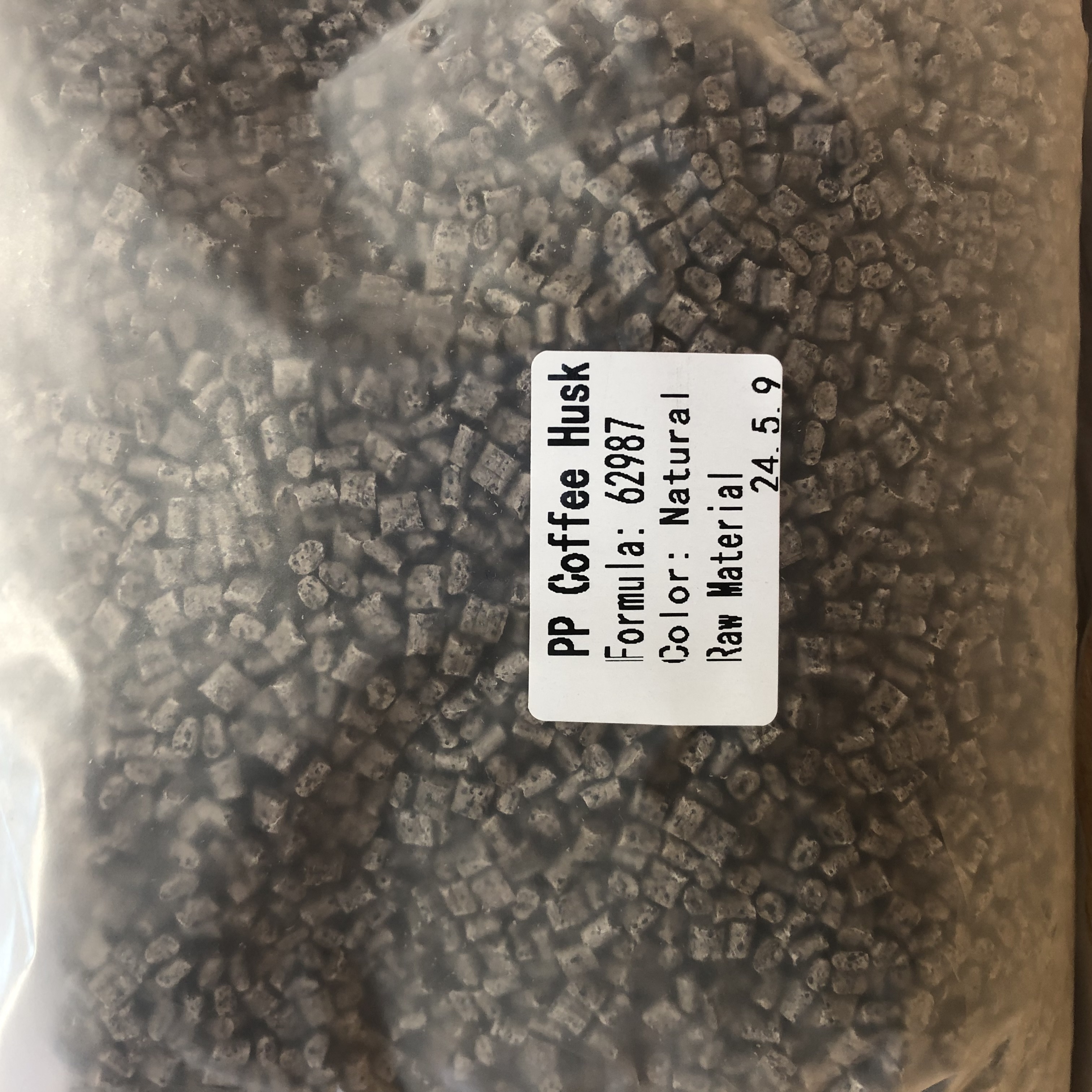
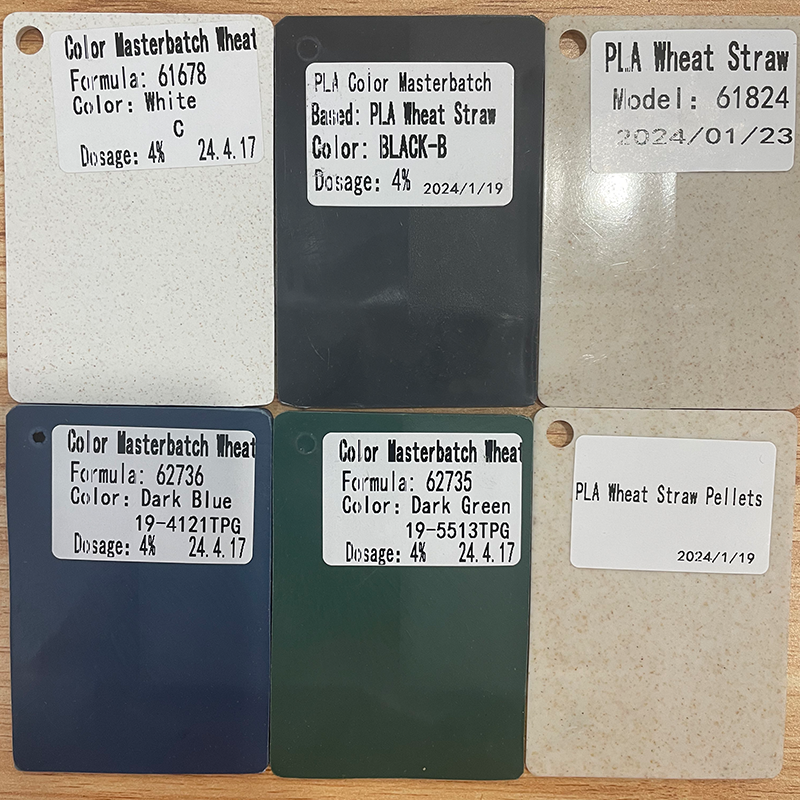
rice husk bioplastic materials


Address: No. 2-1, ShiZhong 3rd Road, Dashi, Panyu, Guangzhou, Guangdong, China



Online Message