
Why Color Masterbatch is Essential for Wheat Straw Pellets
Release time:
2026-06-04 17:30
Source:
Why Color Masterbatch is Essential for Wheat Straw Pellets
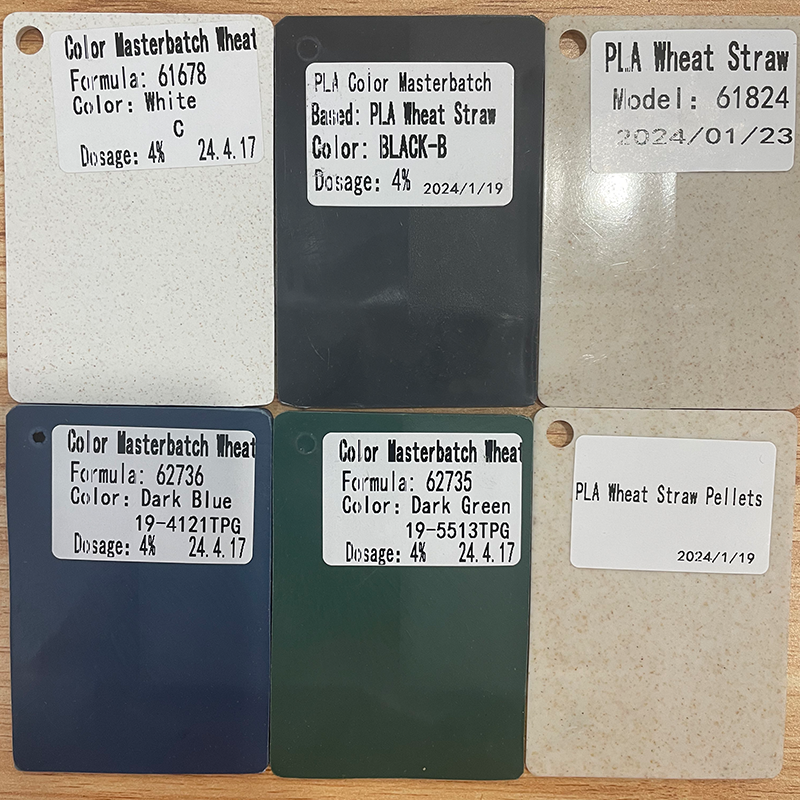
Wheat straw pellets are increasingly recognized as an eco-friendly biomass alternative for energy production, animal bedding, and other applications. However, to maximize their market potential, it's essential to consider not only their functionality but also their visual appeal. This is where **color masterbatch** plays a crucial role. In this article, we will delve into the significance of color masterbatch in wheat straw pellet production, exploring its benefits, applications, and considerations for manufacturers.
Understanding Color Masterbatch
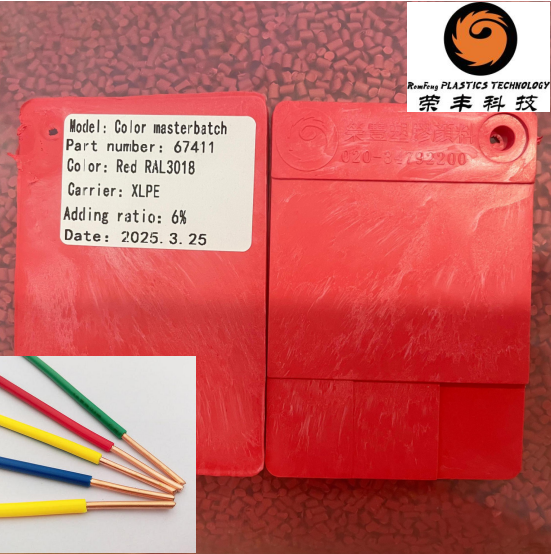
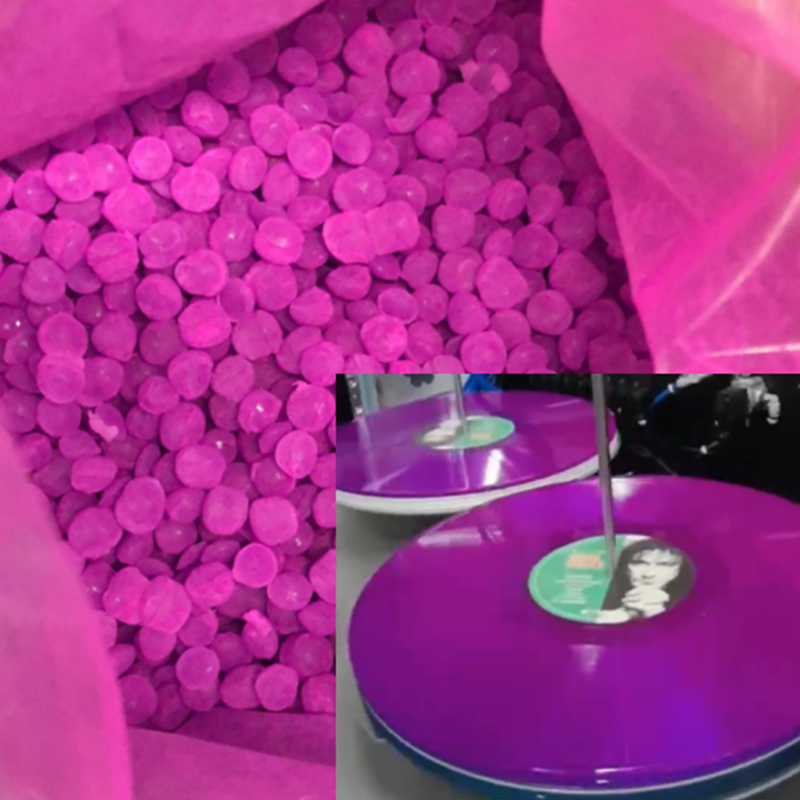
Color masterbatch is a concentrated mixture of pigments and additives, encapsulated within a carrier resin. This product is used to impart color to various plastic products during the manufacturing process. In the context of wheat straw pellets, color masterbatch serves to enhance aesthetic appeal, improve brand visibility, and support product differentiation in a competitive market.
What is Wheat Straw Pellets?
Wheat straw pellets are small cylindrical pieces of compressed wheat straw, a byproduct of wheat harvesting. They are produced through a process of grinding, drying, and pelleting, resulting in a high-energy fuel source that is both renewable and sustainable. The applications of wheat straw pellets are diverse, ranging from heating systems to livestock bedding and even as a raw material in biocomposite products.
The Importance of Aesthetics in Biomass Products
In today's marketplace, consumers are increasingly aware of sustainability and eco-friendly practices. However, they also seek products that meet their aesthetic preferences. The color of wheat straw pellets can influence buyer perception and market demand. A visually appealing product can communicate quality and help brands stand out, making color masterbatch an essential component in production.
Benefits of Using Color Masterbatch in Wheat Straw Pellets
The addition of color masterbatch to wheat straw pellets offers numerous advantages:
1. Enhanced Visual Appeal
Color masterbatch allows manufacturers to create pellets in a wide range of colors, enhancing their visual appeal. This is particularly important for marketing and branding. Unique colors can make products more recognizable and attractive to consumers, fostering brand loyalty.
2. Improved Product Differentiation
In a competitive market, differentiation is key. Color masterbatch enables producers to develop signature colors for their wheat straw pellets, setting their products apart from others. By developing distinct color profiles, brands can establish a unique identity that resonates with customers.
3. Consistent Quality and Performance
Using color masterbatch ensures a uniform distribution of color throughout the pellets, resulting in consistent appearance and performance. This uniformity is vital for maintaining product quality and meeting consumer expectations, reinforcing brand reliability.
4. Reduced Production Costs
Integrating color masterbatch into the production process can lead to cost savings. It allows for precise control over color application, minimizing waste and ensuring that the desired pigmentation is achieved efficiently. This can significantly lower material costs over time.
5. Environmentally Friendly Options
Many color masterbatches are now available in eco-friendly formulations, aligning with the sustainable nature of wheat straw pellets. These options can help manufacturers appeal to environmentally-conscious consumers, further enhancing marketability.
Applications of Color Masterbatch in Wheat Straw Pellets
The incorporation of color masterbatch in wheat straw pellet production opens several avenues for application:
1. Energy Production
Colorful wheat straw pellets can be an attractive option for biomass energy production facilities, distinguishing them from traditional fuels. Their unique appearance can attract attention in marketing materials, enhancing image and appeal.
2. Animal Bedding
Wheat straw pellets used for animal bedding can benefit significantly from color masterbatch. The addition of color can reflect cleanliness and quality, which are essential factors for livestock owners. A visually appealing bedding product can also enhance the overall aesthetic of animal housing.
3. Biocomposite Manufacturing
Color masterbatch can be employed in the creation of biocomposite materials that utilize wheat straw pellets as a raw material. The addition of color can enhance the appeal of these composites, making them suitable for various applications, from packaging to construction.
How to Select the Right Color Masterbatch
Choosing the right color masterbatch is critical for ensuring optimal results in wheat straw pellet production. Here are some key considerations:
1. Compatibility with Raw Materials
Ensure that the color masterbatch is compatible with the wheat straw and any other materials used in the pelletizing process. Compatibility will affect the quality of the final product and its performance.
2. Color Fastness
Select color masterbatches that offer excellent color fastness. This means the color should remain stable and vibrant throughout the product's lifecycle, resisting fading from exposure to light, heat, and moisture.
3. Regulatory Compliance
Check that the chosen color masterbatch complies with industry regulations and standards, especially for products intended for animal bedding or food applications. Compliance ensures safety and market acceptability.
4. Supplier Reputation
Working with a reputable supplier can make all the difference. Look for suppliers known for high-quality color masterbatches and a reliable track record in the industry.
Challenges in Using Color Masterbatch for Wheat Straw Pellets
While there are many benefits, manufacturers should also be aware of potential challenges:
1. Cost Implications
While color masterbatch can reduce overall production costs, the initial investment might be higher than traditional coloring methods. Manufacturers must weigh the long-term benefits against upfront costs.
2. Processing Conditions
Incorporating color masterbatch may require adjustments to processing conditions. It's essential to ensure that equipment and methods are compatible to achieve the desired results.
3. Quality Control
Maintaining consistent quality can be challenging when introducing color masterbatch. Regular quality checks are necessary to ensure that the color and performance remain consistent across production batches.
Future Trends in Color Masterbatch for Wheat Straw Pellets
The future of color masterbatch in wheat straw pellet production is promising, with several trends shaping its evolution:
1. Innovation in Pigment Technology
Advancements in pigment technology are leading to more vibrant and durable colors that meet the demands of eco-conscious consumers. Innovations in bio-based colorants are also emerging, further aligning with sustainable production practices.
2. Increased Demand for Customization
As consumers seek unique and personalized products, there is a growing demand for customized color solutions. Manufacturers that can offer tailored color masterbatch options will likely gain a competitive edge.
3. Focus on Sustainability
The shift toward sustainability will continue to drive innovation in color masterbatch formulations. Eco-friendly options will be essential in appealing to environmentally-conscious consumers.
FAQs about Color Masterbatch and Wheat Straw Pellets
1. What is color masterbatch?
Color masterbatch is a concentrated mix of pigments and additives encapsulated in a carrier resin, used to impart color to various plastic products.
2. Why is color masterbatch important for wheat straw pellets?
Color masterbatch enhances the visual appeal, product differentiation, and brand recognition of wheat straw pellets, making them more marketable.
3. Can color masterbatch affect pellet performance?
Yes, the right color masterbatch can improve the visual quality of pellets without compromising their performance, although care must be taken in selection.
4. Are there eco-friendly color masterbatch options available?
Yes, many manufacturers now offer eco-friendly color masterbatch formulations that align with sustainable production practices.
5. How can manufacturers ensure color consistency in production?
Regular quality checks and using a reliable supplier can help maintain consistent color quality in wheat straw pellet production.
Conclusion
The integration of **color masterbatch** into wheat straw pellet production is not just a trend; it has become a vital component of creating aesthetically pleasing and market-ready products. Its advantages—enhanced visual appeal, improved differentiation, and environmental friendliness—contribute to the overall success and sustainability of wheat straw pellets. Manufacturers who adopt color masterbatch technology will not only meet consumer expectations but also secure a competitive advantage in a growing market. Embracing this innovation is essential for anyone looking to thrive in the booming biomass industry.
Color Masterbatch For Wheat Straw Pellets
Pre


Address: No. 2-1, ShiZhong 3rd Road, Dashi, Panyu, Guangzhou, Guangdong, China



Online Message