Why Choose LSZH Cable Insulation for Your Next Project: The Ultimate Guide
Release time:
2026-03-01 10:10
Source:
Why Choose LSZH Cable Insulation for Your Next Project?
Understanding LSZH Cable Insulation
Low Smoke Zero Halogen (LSZH) cable insulation is a specialized type of cable covering that is designed to emit minimal smoke and no halogen when burned. This feature significantly reduces toxic fumes and corrosive gases, making LSZH cables an ideal choice for various environments, particularly where safety is paramount. These cables are extensively used in public spaces, buildings, and transportation systems, ensuring the well-being of occupants and the integrity of the infrastructure.
The Importance of Cable Insulation in Modern Projects
Cable insulation plays a crucial role in preserving the safety and efficiency of electrical installations. Choosing the right insulation material ensures that cables can withstand environmental stresses, resist physical damage, and function effectively over time. In environments where fire safety is a concern, such as commercial buildings and public transport systems, the choice of cable insulation can significantly impact overall safety measures.
Key Features of LSZH Cable Insulation
LSZH cables boast several essential features that set them apart from traditional cable insulations:
1. Low Smoke Emission
In the event of a fire, LSZH materials produce significantly less smoke compared to traditional cables. This feature enhances visibility and allows for safer evacuation.
2. Zero Halogen Composition
The absence of halogens in LSZH materials means that when they do burn, they do not release harmful gases, thereby reducing the risk of toxic exposure.
3. Good Mechanical Properties
LSZH cables are robust, exhibiting excellent resistance to abrasion and mechanical stress, making them suitable for a variety of demanding applications.
4. Environmental Safety
With growing environmental concerns, LSZH cables are an eco-friendly choice, as they contribute to reduced environmental impact during their lifecycle, particularly in fire scenarios.
Applications of LSZH Cable Insulation
The versatility of LSZH cable insulation allows for its application in numerous fields, including:
1. Transportation Systems
LSZH cables are increasingly used in railways, subways, and airports due to their safety features. In the event of a fire, reduced smoke enhances visibility for evacuation routes.
2. Commercial Buildings
In office complexes, shopping malls, and other public buildings, LSZH cables are preferred for their safety and compliance with stringent building codes.
3. Data Centers
Data centers require reliable and safe electrical systems. The minimal smoke and toxicity of LSZH cables ensure that critical systems remain operational in emergencies.
4. Marine Applications
In marine environments, LSZH cables resist moisture and corrosion, making them suitable for ships where fire safety is crucial.
Advantages of Using LSZH Cable Insulation
Investing in LSZH cable insulation offers various advantages for project developers and managers:
1. Enhanced Safety Standards
By opting for LSZH cables, you ensure that your project adheres to high safety standards, thus protecting lives and property.
2. Regulatory Compliance
Many local and international regulations require the use of LSZH materials in specific applications. Using these cables can help avoid legal complications and penalties.
3. Long-term Cost Efficiency
While LSZH cables may have a higher upfront cost than traditional cable types, their durability and low maintenance requirements lead to significant savings over time.
4. Improved Performance
With better mechanical properties and resistance to environmental stressors, LSZH cables provide reliable performance, reducing the likelihood of outages or failures.
Choosing the Right LSZH Cable for Your Project
Selecting the appropriate LSZH cable for your project involves several key considerations:
1. Determine Your Application Needs
Assess the specific requirements of your project, including environmental conditions, load capacity, and installation method.
2. Check for Certifications
Ensure that the LSZH cables you choose comply with relevant safety standards and certifications, such as IEC, BS, or UL listings.
3. Evaluate the Manufacturer
Choose reputable manufacturers known for producing high-quality LSZH cables. Research customer reviews and industry reputation to ensure reliability.
4. Consider Future-Proofing
Select LSZH cables that can accommodate potential future upgrades or changes in electrical requirements, ensuring longevity and adaptability.
Cost Considerations for LSZH Cable Insulation
The initial cost of LSZH cables can be higher than that of conventional insulation materials. However, several factors must be considered when evaluating overall value:
1. Long-term Savings
Given their durability and reduced maintenance requirements, LSZH cables often lead to lower lifetime costs.
2. Insurance Premiums
Projects using LSZH cables may benefit from lower insurance premiums due to reduced fire risk, offering further savings.
3. Installation Costs
While installation may require specialized skills, the investment in training or hiring qualified personnel can enhance safety and compliance.
Frequently Asked Questions (FAQs)
1. What is the difference between LSZH and traditional cable insulation?
LSZH cables emit less smoke and no halogens when burned, making them safer in fire situations compared to traditional cables.
2. Are LSZH cables suitable for outdoor use?
Yes, many LSZH cables are designed to withstand outdoor conditions, but it's crucial to verify specific product specifications.
3. How do LSZH cables contribute to environmental sustainability?
LSZH cables reduce toxic emissions during fires and are made from materials that are less harmful to the environment.
4. Can I use LSZH cables in high-temperature environments?
While LSZH cables are durable, they should be selected based on their temperature ratings; check manufacturer guidelines for specific applications.
5. What standards should LSZH cables meet?
LSZH cables should comply with relevant international and national safety standards, such as IEC 60332 and UL 910.
Conclusion
In summary, choosing LSZH cable insulation for your next project is a decision that prioritizes safety, compliance, and performance. The unique properties of LSZH materials, including low smoke emission and zero halogen content, make them an ideal choice for a variety of applications. By understanding the advantages, applications, and selection criteria of LSZH cables, you can make an informed choice that benefits both your project and its occupants. The investment in LSZH cables not only enhances safety but also aligns with modern sustainability practices, making them a forward-thinking option for any project.
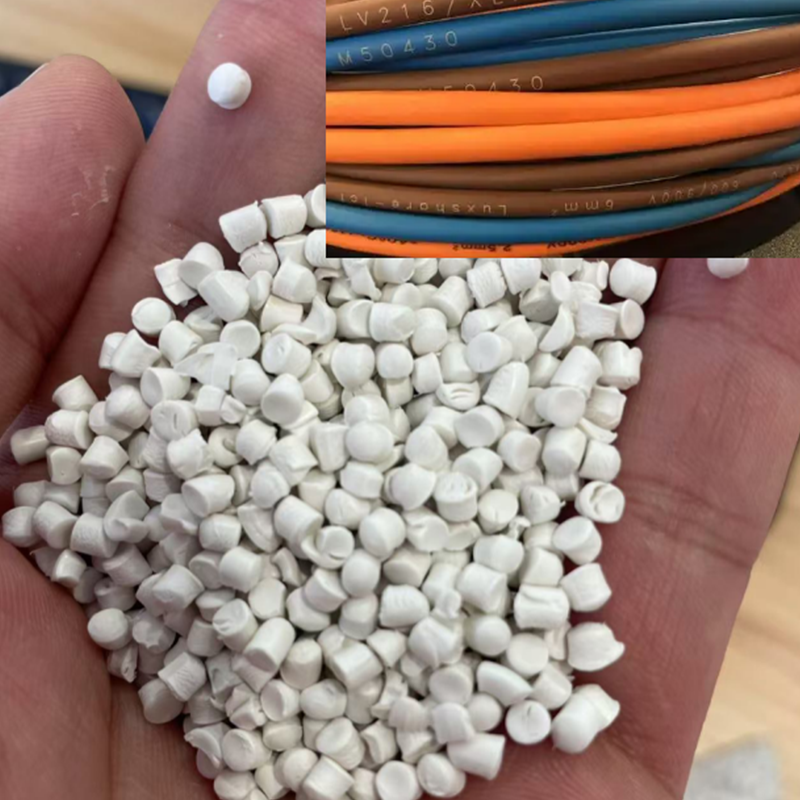
LSZH cable insulation material


Address: No. 2-1, ShiZhong 3rd Road, Dashi, Panyu, Guangzhou, Guangdong, China



Online Message