The Transformative Power of XLPO in the Plastic Industry: Revolutionizing Material Performance
Release time:
2026-07-12 11:00
Source:
The Transformative Power of XLPO in the Plastic Industry
The plastic industry is undergoing a significant transformation, driven by the need for more durable, versatile, and sustainable materials. At the forefront of this evolution is XLPO (Cross-Linked Polyolefin), a game-changer that is rapidly gaining traction in various applications. This article delves deep into the benefits, characteristics, and applications of XLPO, providing a comprehensive overview that will help you understand its importance in today's market.
Table of Contents
- What is XLPO?
- Unique Properties of XLPO
- Key Advantages of XLPO Over Traditional Plastics
- Applications of XLPO in Various Industries
- Sustainability Considerations in XLPO Production
- The Future of XLPO in the Plastic Industry
- Comparison of XLPO with Other Materials
- Frequently Asked Questions
- Conclusion
What is XLPO?
XLPO, or Cross-Linked Polyolefin, is a type of polymer that has been chemically modified to enhance its properties. This modification involves creating cross-links between polymer chains, resulting in a material that exhibits superior strength, resilience, and thermal stability. Unlike traditional polyolefins, XLPO offers a unique combination of flexibility and rigidity, making it ideal for a wide range of applications.
Unique Properties of XLPO
Enhanced Durability
One of the standout features of XLPO is its enhanced durability. The cross-linking process significantly improves the material's resistance to wear and tear, making it suitable for products that must endure harsh conditions. This durability translates to longer lifespans for end products, reducing the need for frequent replacements.
Thermal Resistance
XLPO boasts impressive thermal resistance, allowing it to maintain its structural integrity even at elevated temperatures. This characteristic makes it an excellent choice for applications where heat exposure is a concern, such as in automotive and industrial settings.
Low Moisture Absorption
Another beneficial property of XLPO is its low moisture absorption rate. This feature prevents the material from degrading over time due to water exposure, further enhancing its durability and reliability in various environments.
Key Advantages of XLPO Over Traditional Plastics
Improved Performance Metrics
XLPO outperforms many traditional plastics in various performance metrics, including tensile strength, flexibility, and impact resistance. These enhanced characteristics make it a preferred choice for manufacturers looking to improve product quality and longevity.
Versatility in Applications
The versatility of XLPO is another significant advantage. Its unique properties allow it to be used across multiple industries, including automotive, electrical, medical, and consumer goods. This adaptability positions XLPO as a material of choice for innovative designs and applications.
Environmental Benefits
With growing environmental concerns, XLPO presents several eco-friendly advantages. Its durability reduces waste, and its potential for recycling aligns with sustainability goals. Manufacturers can reduce their carbon footprint by opting for XLPO in their product lines.
Applications of XLPO in Various Industries
Automotive Industry
In the automotive sector, XLPO is increasingly used for insulation in wiring, connectors, and various components that require heat and moisture resistance. Its durability contributes to overall vehicle longevity and safety.
Electrical Applications
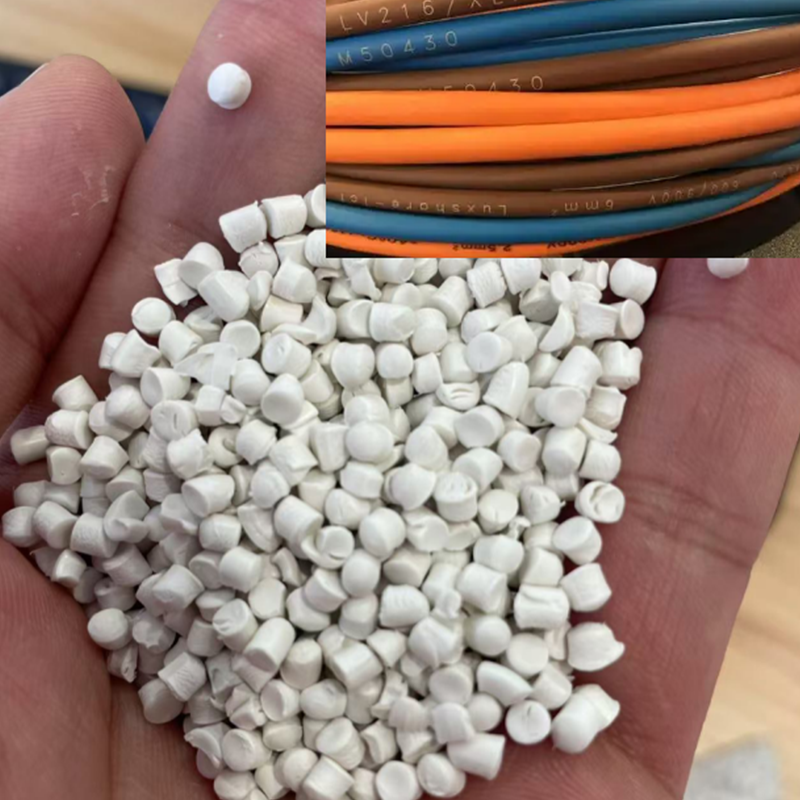
XLPO is widely employed in the electrical industry for its insulating properties. It is used in cables and connectors where thermal resistance is essential, ensuring safe and efficient electrical performance.
Medical Devices
In the medical field, XLPO is favored for its biocompatibility and sterilization capabilities. It is commonly used in medical devices and packaging, where strength and hygiene are critical.
Consumer Products
From household items to sports equipment, XLPO’s versatility makes it an ideal choice for consumer products. Its aesthetic appeal, combined with its performance characteristics, allows manufacturers to create innovative designs that stand out in the market.
Sustainability Considerations in XLPO Production
The production of XLPO is increasingly aligned with sustainability practices. Manufacturers are exploring eco-friendly processes to minimize the environmental impact associated with its production. By utilizing renewable resources and optimizing energy consumption, the plastic industry can enhance its sustainability profile while delivering high-performance materials.
The Future of XLPO in the Plastic Industry
The future of XLPO appears promising as the demand for advanced materials continues to rise. Innovations in manufacturing processes and a growing emphasis on sustainability will likely drive further adoption in various sectors. As industries seek to enhance product performance while minimizing environmental impact, XLPO will remain a key player in reshaping the plastic landscape.
Comparison of XLPO with Other Materials
When comparing XLPO to other materials, it is essential to consider specific properties and applications. Traditional plastics such as PVC and PE, while widely used, often lack the superior thermal resistance and durability that XLPO provides. In contrast, materials like thermoplastics and elastomers may offer flexibility but fall short in high-temperature applications where XLPO excels.
Frequently Asked Questions
1. What are the primary benefits of using XLPO?
XLPO offers enhanced durability, thermal resistance, low moisture absorption, and versatility across various applications, making it a superior choice over traditional plastics.
2. Is XLPO environmentally friendly?
XLPO has eco-friendly advantages due to its durability and potential for recycling, aligning with sustainability goals and reducing waste.
3. In which industries is XLPO primarily used?
XLPO is widely used in the automotive, electrical, medical, and consumer goods industries due to its unique properties and performance metrics.
4. How does XLPO compare to traditional plastics?
XLPO outperforms traditional plastics in several areas, including tensile strength, thermal resistance, and durability, making it a more reliable choice for demanding applications.
5. What is the future outlook for XLPO in the plastic industry?
The future for XLPO is bright, with increased demand for advanced materials and a focus on sustainability driving further adoption and innovation.
Conclusion
XLPO represents a significant advancement in the plastic industry, offering unique properties and advantages that traditional plastics cannot match. Its durability, thermal resistance, and eco-friendly characteristics position it as a transformative material that can meet the demands of modern applications. As industries continue to evolve and prioritize sustainable practices, XLPO will likely play an increasingly vital role in shaping the future of plastic products. Embracing XLPO means embracing innovation, performance, and a commitment to a more sustainable future.
XLPO


Address: No. 2-1, ShiZhong 3rd Road, Dashi, Panyu, Guangzhou, Guangdong, China



Online Message