Exploring Degradable Fiber Pellets: A Sustainable Innovation in Plastics
Release time:
2026-07-17 12:10
Source:
In recent years, the growing concern over plastic waste and its detrimental impact on the environment has driven innovations in material science. Degradable fiber pellets represent a promising solution aimed at reducing the ecological footprint of plastic products. These pellets are designed to break down more quickly than traditional plastics, thus minimizing their persistence in landfills and natural ecosystems.
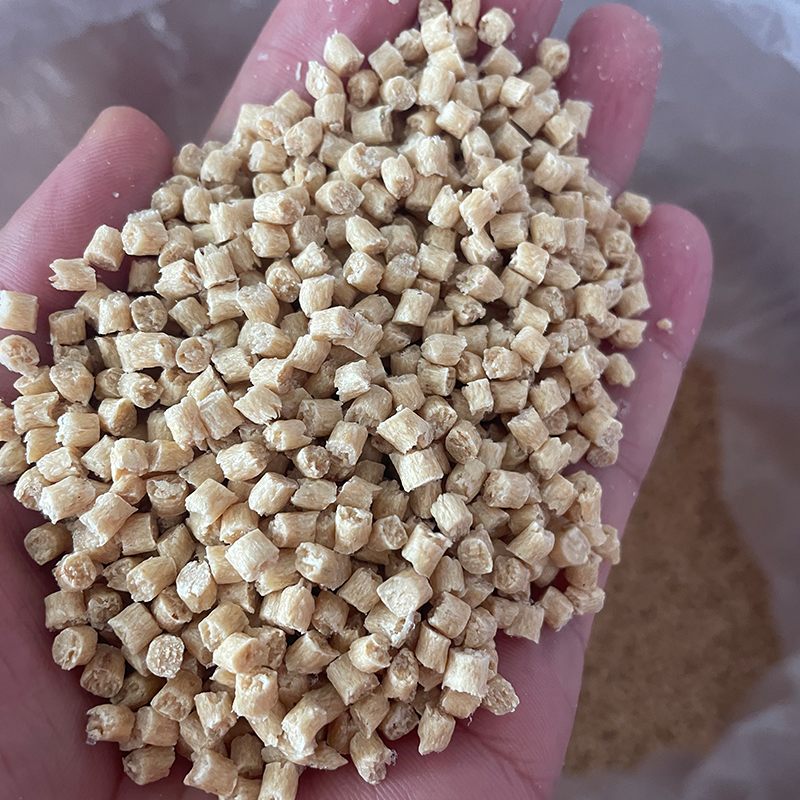
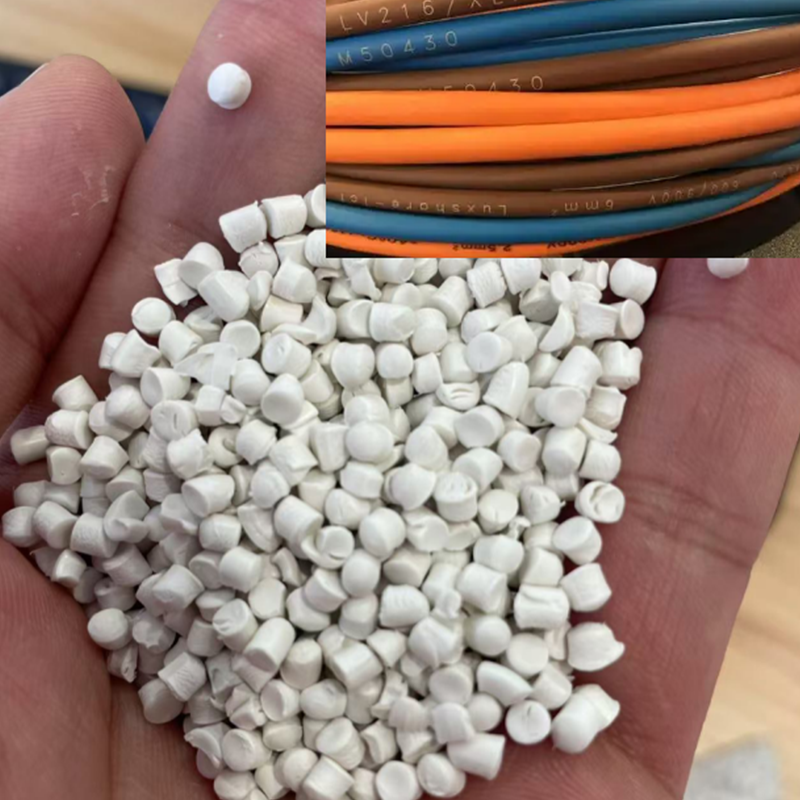
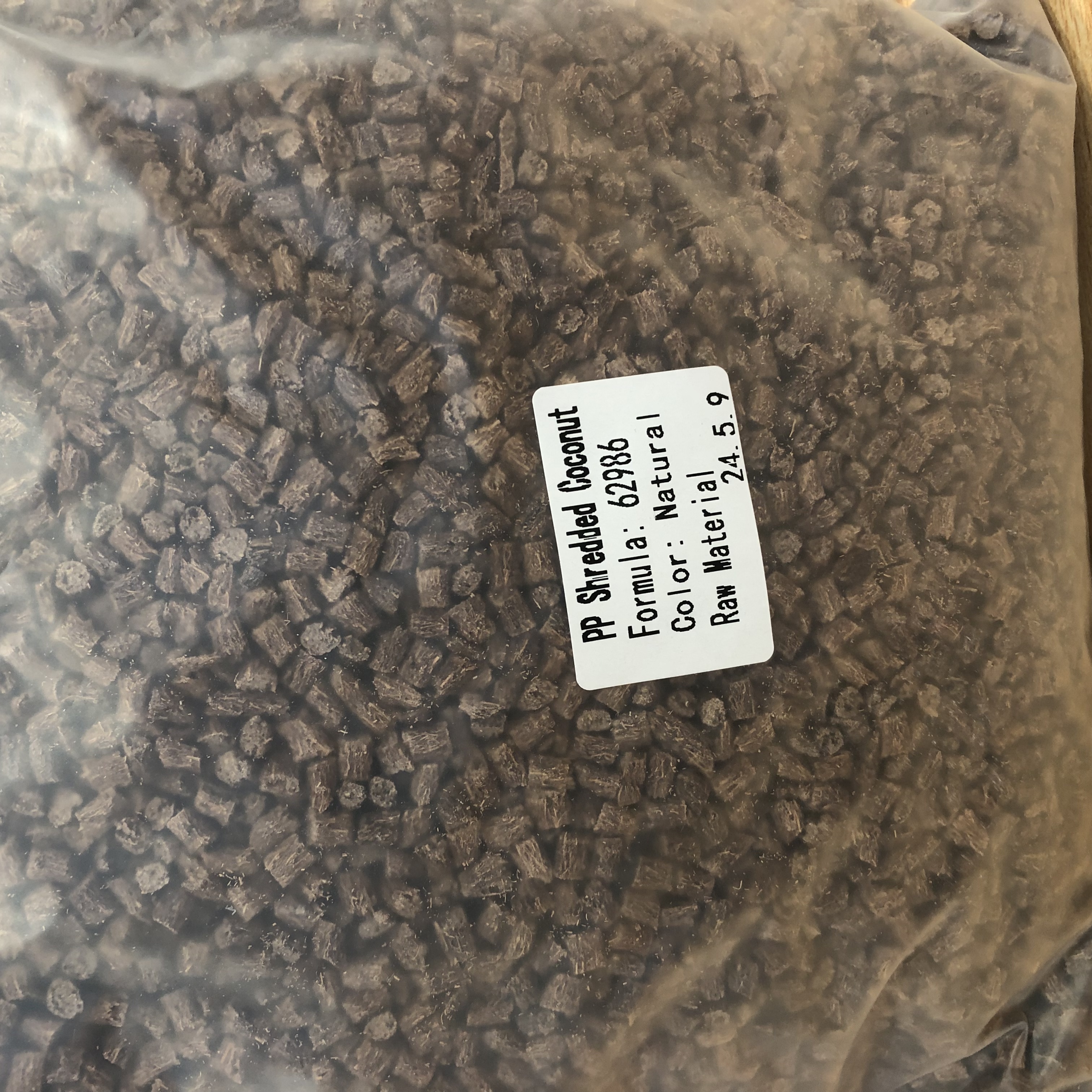
Degradable fiber pellets can be manufactured from various biodegradable materials, including polylactic acid (PLA), polyhydroxyalkanoates (PHA), and other biopolymers. The choice of material often depends on the desired properties of the final product, such as strength, flexibility, and thermal resistance. The production process typically involves the extrusion of these polymers, followed by the formation of pellets that can be easily processed by manufacturers.
One of the key advantages of using degradable fiber pellets is their ability to contribute to a circular economy. When products made from these pellets are disposed of, they can undergo degradation through natural biological processes, resulting in less plastic pollution. This not only benefits the environment but also aligns with the increasing regulatory pressures on industries to adopt sustainable practices.
The potential applications for degradable fiber pellets are vast. They can be utilized in various sectors, including packaging, textiles, agriculture, and consumer goods. In packaging, for example, degradable fibers can offer a sustainable alternative to conventional materials, providing the same functionality while ensuring that products are less harmful to the environment post-consumption. In textiles, these pellets can be used to create fibers that decompose after their lifecycle, thus reducing landfill contributions from the fashion industry.
In conclusion, the integration of degradable fiber pellets into the plastics industry signifies a shift towards more responsible manufacturing practices. By embracing these innovative materials, companies can not only enhance their product offerings but also play a pivotal role in addressing the pressing challenge of plastic waste. As the market continues to evolve, the adoption of degradable fiber pellets will likely become increasingly vital for businesses aiming to achieve sustainability goals while meeting consumer demand for eco-friendly products.
Degradable fiber pellets can be manufactured from various biodegradable materials, including polylactic acid (PLA), polyhydroxyalkanoates (PHA), and other biopolymers. The choice of material often depends on the desired properties of the final product, such as strength, flexibility, and thermal resistance. The production process typically involves the extrusion of these polymers, followed by the formation of pellets that can be easily processed by manufacturers.
One of the key advantages of using degradable fiber pellets is their ability to contribute to a circular economy. When products made from these pellets are disposed of, they can undergo degradation through natural biological processes, resulting in less plastic pollution. This not only benefits the environment but also aligns with the increasing regulatory pressures on industries to adopt sustainable practices.
The potential applications for degradable fiber pellets are vast. They can be utilized in various sectors, including packaging, textiles, agriculture, and consumer goods. In packaging, for example, degradable fibers can offer a sustainable alternative to conventional materials, providing the same functionality while ensuring that products are less harmful to the environment post-consumption. In textiles, these pellets can be used to create fibers that decompose after their lifecycle, thus reducing landfill contributions from the fashion industry.
In conclusion, the integration of degradable fiber pellets into the plastics industry signifies a shift towards more responsible manufacturing practices. By embracing these innovative materials, companies can not only enhance their product offerings but also play a pivotal role in addressing the pressing challenge of plastic waste. As the market continues to evolve, the adoption of degradable fiber pellets will likely become increasingly vital for businesses aiming to achieve sustainability goals while meeting consumer demand for eco-friendly products.
degradable fiber pellet
Pre


Address: No. 2-1, ShiZhong 3rd Road, Dashi, Panyu, Guangzhou, Guangdong, China



Online Message